What is Roof Flashing, and Why is it Important?
When it comes to the anatomy of a roof, most people think of shingles, underlayment, and gutters as the primary parts. However, there’s another critical element that often goes unnoticed but plays an important role in protecting your home from water damage: roof flashing. In this blog, we’ll explore what roof flashing is, why it’s essential, and how it contributes to the overall health and longevity of your roof.
What is Roof Flashing?
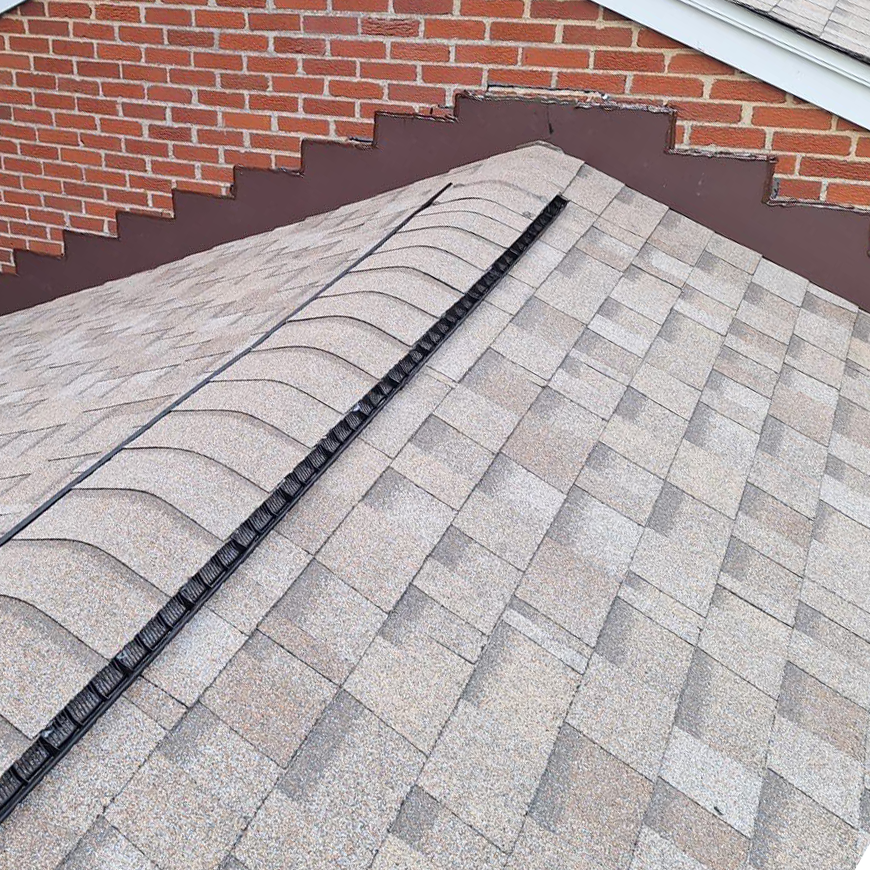
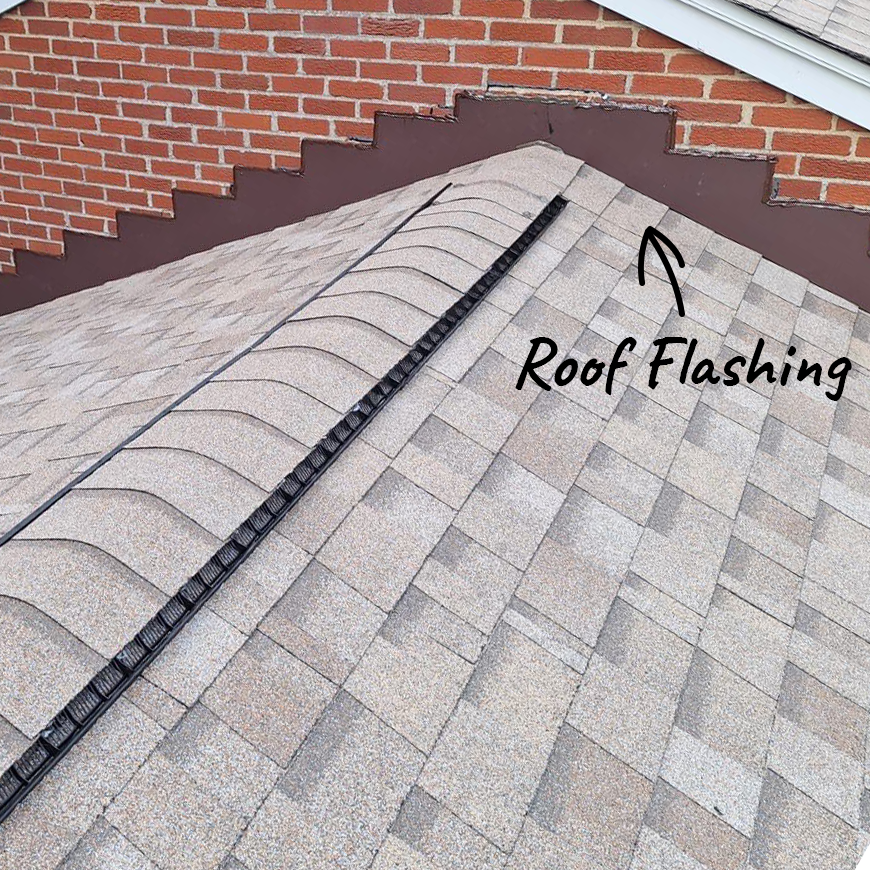
Roof flashing is a thin, waterproof material—usually galvanized steel or aluminum—that The Third Estimate installs to direct water away from roof joints and intersections. It creates a watertight seal around chimneys, vents, and valleys to prevent leaks and protect your home’s structural integrity
Why Proper Flashing Matters for Your Home
While the answer above defines the material, understanding why The Third Estimate prioritizes precision during installation is key to your roof’s health. Flashing acts as the primary defense for the most vulnerable “breaks” in your roof’s surface.
- Prevents Structural Rot: By channeling water into gutters, flashing keeps moisture from reaching the wooden rafters and decking.
- Stops Internal Mold: A failed seal leads to attic dampness, which is the leading cause of mold growth in Ohio homes.
- Extends Roof Lifespan: Small metal strips prevent major water damage that often leads to a premature and expensive roof replacement.
Supports Energy Efficiency
Roof flashing also contributes to your home’s energy efficiency. Water damage and leaks can compromise the insulation in your attic. This leads to drafts and increased energy costs as your HVAC system works harder to maintain temperature. By keeping your roof watertight, flashing helps preserve your home’s insulation and efficiency.
Signs Your Roof Flashing Needs Attention
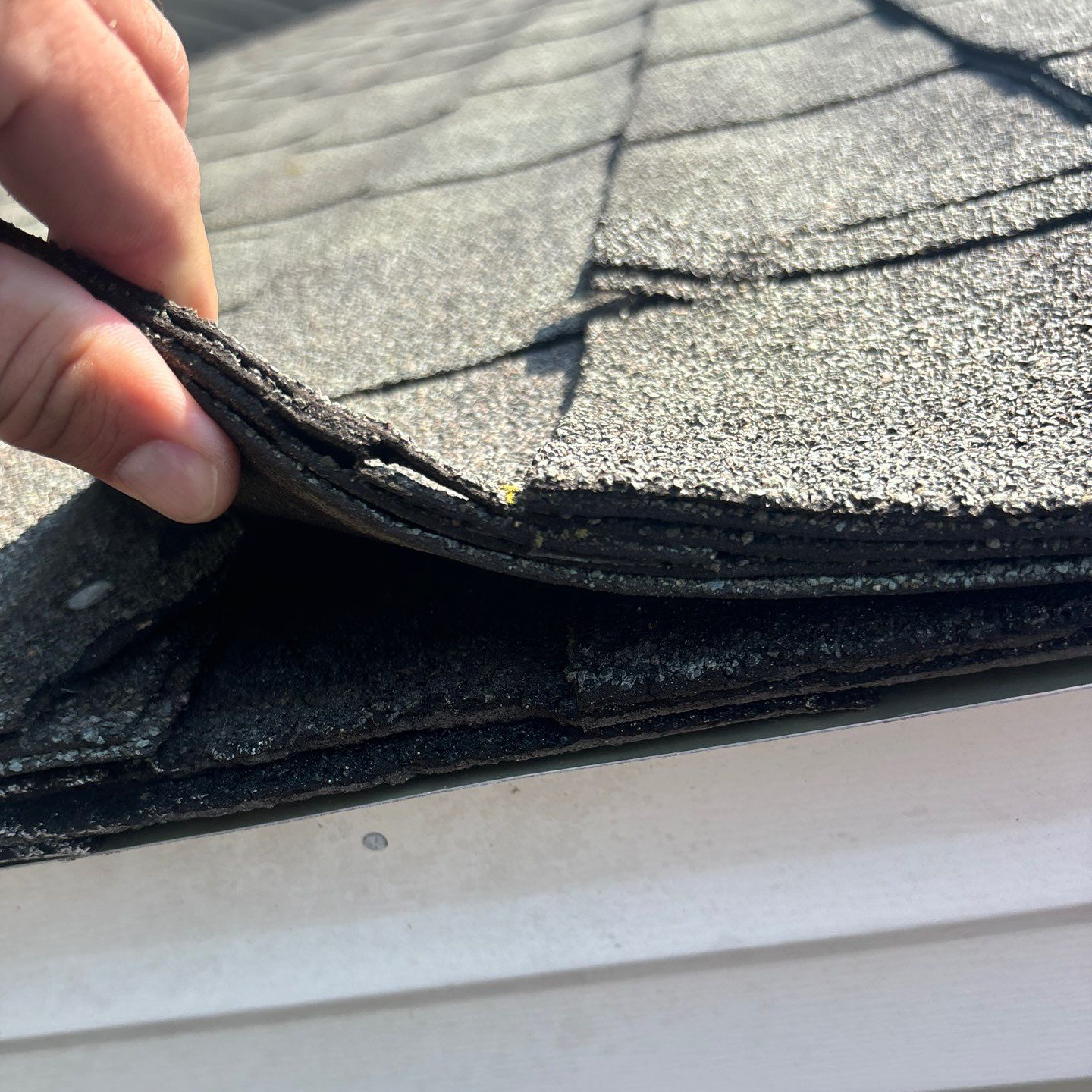
While it is durable, it’s not invincible. Over time, it can become damaged especially if it’s been exposed to harsh weather conditions or poor installation practices. Some signs that your flashing may need attention include:
- Rust or corrosion on metal flashing
- Cracked or missing sealant around the flashing
- Water stains on ceilings or walls inside your home
- Visible gaps or misalignments in the flashing
If you notice any of these signs, it’s important to contact a professional roofing contractor for an inspection. Prompt attention to damaged flashing can prevent more repairs down the line.
Conclusion: Don’t Overlook Roof Flashing
The Third Estimate focuses on these technical details to ensure your home stays dry through every season. If you suspect your flashing is rusted or pulling away, it can compromise your entire system.
Are you concerned about a potential leak? Schedule your free 21-point inspection with our expert team at The Third Estimate today to secure your home.