What should you consider when choosing different types of windows?
When choosing different types of windows, homeowners should prioritize energy efficiency, frame material durability, and architectural style. The Third Estimate recommends evaluating the local climate and maintenance requirements before selecting double-hung, casement, or picture windows for your window replacement project.
Why Choosing the Right Window Matters for Ohio Homeowners
-
Energy Efficiency: Proper windows reduce heating and cooling costs during harsh seasons.
-
Home Value: New windows provide one of the highest returns on investment (ROI) for home remodeling.
-
Curb Appeal: The right style enhances the unique character of your property.
Top Window Styles and Their Benefits
-
Double-Hung Windows: Easy to clean and perfect for traditional homes.
-
Casement Windows: Offer maximum ventilation and a tight seal against wind.
-
Picture Windows: Ideal for unobstructed views and maximizing natural light.
Single-Hung Windows
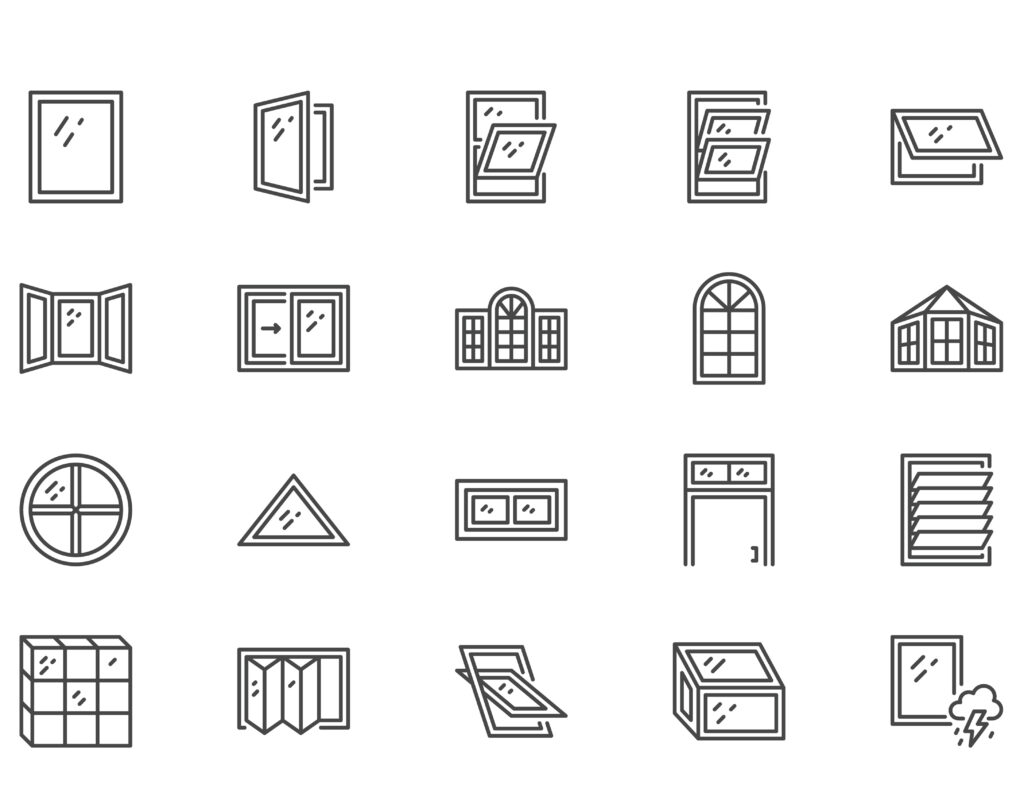
Single-hung windows are a classic choice for many homes. They feature two sashes, but only the bottom sash is movable while the top sash remains stationary. This design provides good ventilation and is highly cost-effective compared to other complex window styles.
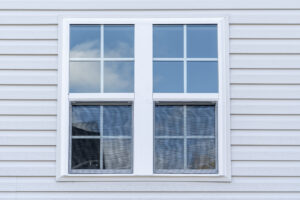
Double-Hung Windows
Double-hung windows are similar to single-hung configurations but with one key difference—both the upper and lower sashes can be opened. This allows for vastly superior air circulation and makes interior cleaning remarkably easy, especially for windows located on upper floors. Double-hung windows are continuously favored by homeowners for their daily ease of use and traditional look.
Casement Windows
Casement windows are hinged on one side and open outward like a door using a manual hand crank. These windows provide excellent ventilation since the entire glass surface can fully swing open. Because they lock tightly against the frame when closed, casement windows are also widely recognized for their airtight, energy-efficient seal.
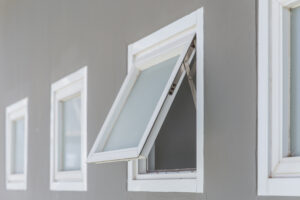
Awning Windows
Awning windows are similar to casement windows but are hinged at the top, allowing the sash to open outward and upward from the bottom. These windows are perfect for areas that require consistent ventilation even during minor weather challenges, as the umbrella-like design allows the window to safely stay open during a light summer rain.
Bay Windows
Bay windows feature a combination of three or more windows extending outward from the home’s main exterior walls, usually featuring a large fixed picture window in the center flanked by smaller operating windows on either side. Bow windows utilize a more curved, multi-pane setup. Both styles are ideal for creating a cozy indoor sitting nook, bringing in panoramic light, and adding a high-end architectural focal point to a living room or master bedroom.
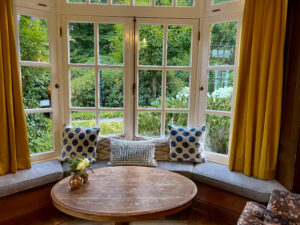
BAY and Bow Windows
Bow windows are similar to bay windows but feature a more curved design and typically include four or more windows. These windows add interest to a home’s exterior and offer wide-ranging views, making them a popular choice for living rooms and master bedrooms.
Sliding Windows
Sliding windows open horizontally by sliding one sash smoothly over the other along a built-in track. They are remarkably easy to operate, provide a wide, unobstructed view of the outdoors, and are ideal for contemporary home designs or rooms with limited vertical wall space.
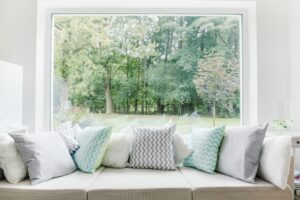
Picture Windows
Picture windows are large, fixed window units that do not open. They are engineered strictly to frame a beautiful outdoor landscape and maximize the amount of natural light entering a room. Because they feature zero moving parts, picture windows are exceptionally energy-efficient and completely eliminate air leakage.
Garden Windows
Garden windows extend outward from the house, similar to a miniature bay window, but are styled with glass on all sides and a built-in shelf designed specifically for growing small indoor plants, herbs, and flowers in high-sunlight areas like kitchens.
Which Window Type is Best for You?
Choosing the right type of window for your home depends on a variety of factors, including the style of your home, your budget, and your needs for ventilation or natural light. Whether you’re looking for something that maximizes energy efficiency, enhances appeal, or provides a better view, there is a window type that will suit your home perfectly.
Choosing the Best Window Frame Material
Selecting the perfect structural style is only the first step. To ensure your new windows achieve maximum thermal insulation, long-term durability, and structural longevity, you must pair that style with the right frame material.
If you are planning an energy-efficient window installation, your material selection will heavily dictate your upfront budget and how much maintenance your home will require down the road. Here is how the four primary frame materials compare:
1. Vinyl Window Frames (The Overall Performance Champion)
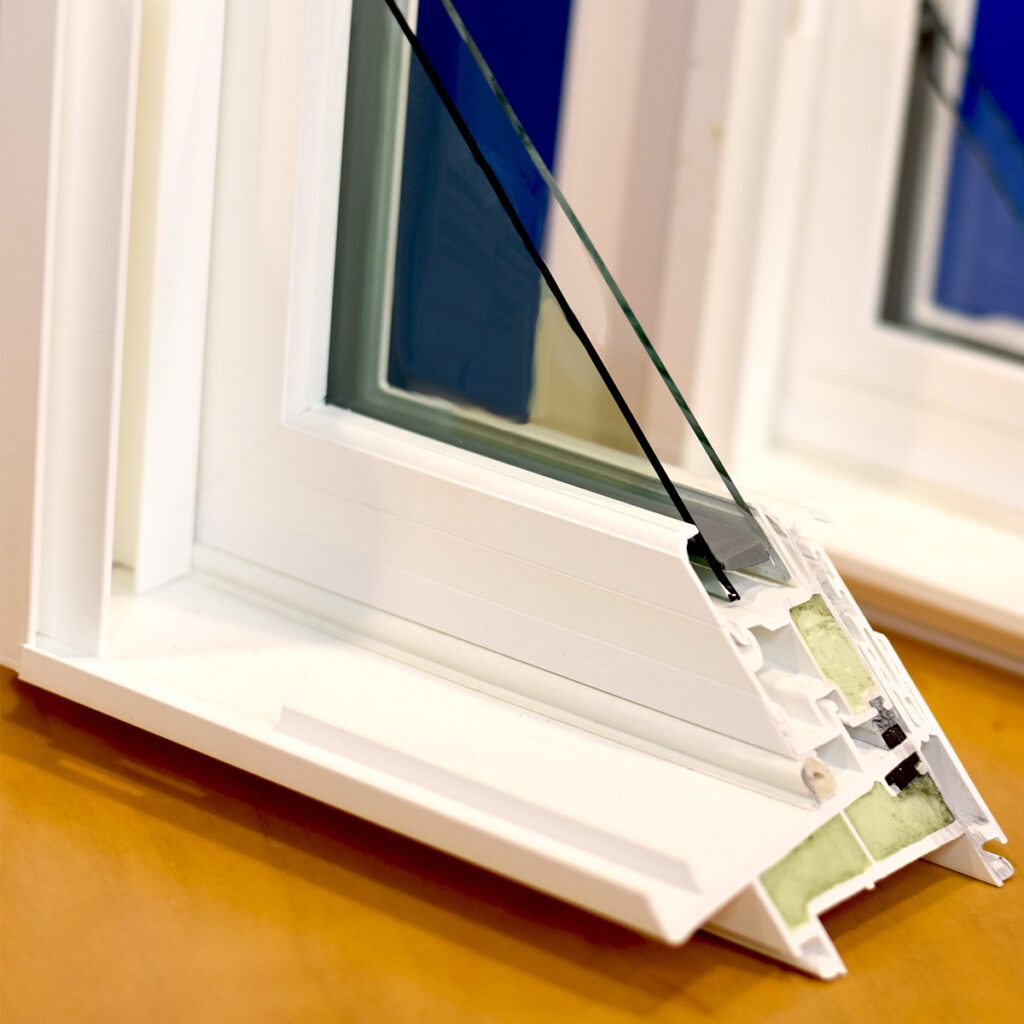
Vinyl is the most popular window frame material on the market today for residential upgrades. It is manufactured from a premium polyvinyl chloride (PVC) compound mixed with specialized impact modifiers and stabilizers that prevent UV degradation.
- The Performance Breakdown: High-quality vinyl replacement windows feature excellent thermal properties. The hollow internal chambers inside vinyl frames act as natural insulation zones, trapping air to block thermal transfer. These chambers can also be filled with specialized polyurethane foam to further optimize energy performance.
- The Maintenance Advantage: Vinyl is completely immune to rotting, peeling, rusting, or corroding. It never requires sanding, scraping, or painting—maintaining its pristine color with just an occasional soap-and-water wipe down.
- Best For: Homeowners looking for a budget-friendly, highly durable, low-maintenance solution designed to slash seasonal energy bills.
2. Wood Window Frames (The Traditional Aesthetic Choice)
Wood has long been the gold standard for high-end home architecture, offering an organic, luxury appearance that synthetic materials try to mimic.
- The Performance Breakdown: Wood is a natural insulator with excellent inherent thermal resistance, preventing outdoor temperatures from passing through the frame. It adds immense warmth to a room and can be stained or painted to match any interior decor.
- The Maintenance Challenge: Wood requires intense, continuous maintenance. Without regular sanding, painting, and fresh sealants applied every few years, wood frames will absorb moisture from snow and humidity. This leads to paint flaking, structural warping, and devastating wood rot that can ruin the window seals.
- Best For: Historic neighborhood preservation projects or premium home restorations where maintaining original architectural authenticity is mandatory.
3. Aluminum Window Frames (The Industrial Strength Standard)
Aluminum frames offer incredible structural rigidity, allowing manufacturers to build thin, minimalist, low-profile frames that can support exceptionally heavy sheets of glass.
- The Performance Breakdown: While strong and lightweight, aluminum is a highly efficient conductor of heat and cold. This means it lacks built-in insulation value, allowing freezing Ohio winter air or hot summer heat to transfer straight into your home. In cold climates, non-insulated aluminum frames are highly susceptible to developing heavy interior frame condensation and frost.
- Best For: Modern commercial builds or contemporary architectural designs featuring oversized glass walls where structural strength is prioritized over maximum residential energy efficiency.
4. Fiberglass Window Frames (The High-End Alternative)
Fiberglass is a premium material composed of glass fibers and structural resins, engineered to expand and contract at the exact same rate as the glass panes it holds.
- The Performance Breakdown: Fiberglass is incredibly strong, warp-resistant, and provides high insulation values similar to insulated vinyl. Because the frame shifts in unison with the glass during extreme freeze-thaw cycles, it minimizes the risk of sudden seal failures. However, it carries a significantly higher price tag and fewer styling choices from major manufacturers.
- Best For: Homeowners with an open home improvement budget looking for maximum structural rigidity and maximum longevity.
Window Frame Materials Comparison Chart
| Frame Material | Insulation Value | Maintenance Level | Estimated Lifespan | Price Range |
| Vinyl | 🌟 Excellent | 🟢 Low (Wipe Clean Only) | 20 – 30+ Years | 💰 Budget-Friendly |
| Wood | 🌟 Excellent | 🔴 High (Paint/Stain Needed) | 30+ Years (If Upkept) | 💰💰💰 Premium |
| Aluminum | 🔴 Poor | 🟡 Low (Prone to Frost) | 20 – 25 Years | 💰💰 Moderate |
| Fiberglass | 🌟 Excellent | 🟢 Low | 30 – 40+ Years |
Conclusion: Making the Right Choice for Your Property
Choosing the right type of window for your home depends on a variety of factors, including the architectural style of your home, your local climate demands, your personal maintenance preferences, and your budget. Whether you’re looking for something that maximizes energy efficiency, enhances your curb appeal, or provides a better view, there is a window type and material configuration that will suit your home perfectly.
If you are ready to explore physical window options, review energy ratings, and see material swatches in person, contact our experienced team today to schedule your free, no-obligation estimate!
At The Third Estimate, we offer a wide range of window options to fit your specific needs. Contact us today for a free estimate and let us help you find the perfect windows for your home!