Reasons You Shouldn’t Have Multiple Layers of Shingles on Your Roof
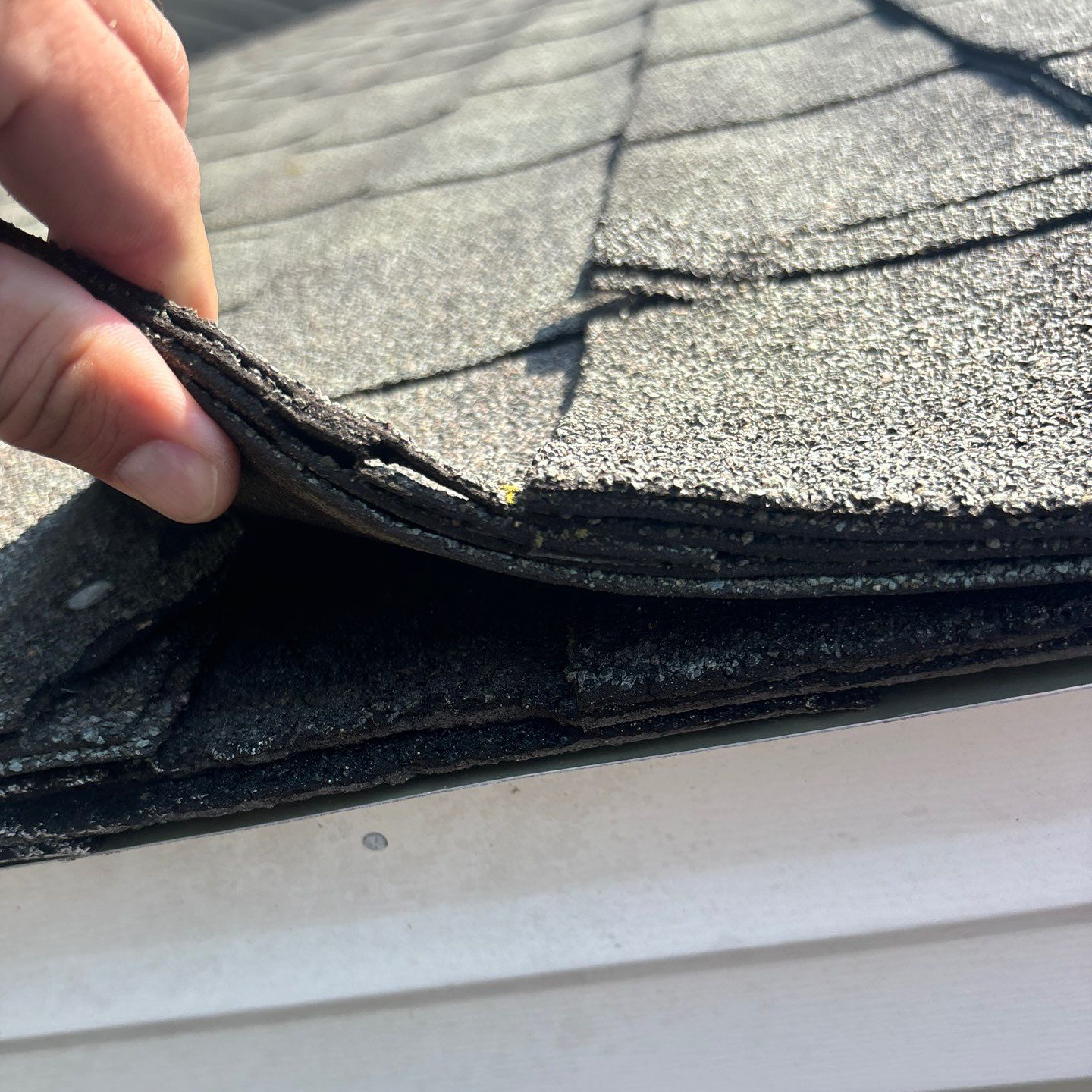
Many homeowners don’t realize their roof already has multiple layers of shingles until they begin experiencing roofing problems or schedule an inspection. While adding a second layer of shingles over an existing roof may seem like a faster or less expensive option upfront, it can create serious long-term problems for your home. In Northeast Ohio, heavy snow, freeze/thaw cycles, rain, and seasonal weather changes can place additional stress on roofing systems. Multiple layers of shingles can add excess weight, trap moisture, make leaks harder to detect, and shorten the lifespan of the roof overall.
At The Third Estimate, we often help homeowners identify hidden roofing problems caused by aging multi-layer roofing systems during roof inspections and roof replacement evaluations.
Increased Weight on Your Roof
Every additional layer of shingles adds significant weight to your roofing system. Over time, that extra weight can place additional stress on the roof deck and overall structure of the home — especially during Northeast Ohio winters when snow and ice accumulation already increase roof loads.
While a second layer of shingles may temporarily cover existing roofing problems, it does not address the condition of the materials underneath the roof.
Multiple roofing layers may contribute to:
- Structural stress
- Roof sagging
- Decking deterioration
- Moisture retention
- Reduced roof lifespan
Older homes may be especially vulnerable if the roof structure was not originally designed to support multiple roofing layers long term.
Reduced Lifespan of Your Roof
Adding a second layer of shingles does not restart the life of your roof — it simply covers aging materials that may already be deteriorating beneath the surface. While a roof overlay may appear to extend the life of the roof temporarily, underlying problems can continue worsening underneath the new shingles.
Multiple roofing layers can trap heat and moisture, reduce ventilation efficiency, and place additional stress on the roofing system over time. In Northeast Ohio, seasonal weather conditions like snow, humidity, freeze/thaw cycles, and heavy rain can accelerate wear on layered roofing systems even faster.
Over time, homeowners may experience:
- Faster shingle deterioration
- Reduced ventilation performance
- Hidden moisture damage
- Shortened roof lifespan
- Earlier roof replacement needs
In many cases, installing a new roofing system over existing shingles simply delays the need for a full roof replacement instead of solving the underlying roofing problems.
If your roof is aging or showing signs of wear, a professional roof inspection can help determine whether replacement is the better long-term solution.
Poor Ventilation and Heat Buildup
Installing new shingles over existing roofing materials can trap heat and moisture between the layers instead of allowing the roof to properly ventilate and dry.
Over time, trapped moisture can contribute to:
- Mold and mildew growth
- Wood rot
- Roof decking deterioration
- Reduced shingle performance
- Premature roof aging
Poor ventilation combined with Northeast Ohio humidity, snow melt, and freeze/thaw cycles can make these issues even worse over time.
Because moisture problems often develop beneath the visible roofing surface, homeowners may not realize damage is occurring until leaks or structural problems begin appearing inside the home.
Difficulty in Identifying and Repairing Issues
One of the biggest problems with multiple roofing layers is that leaks and moisture intrusion become much harder to identify and repair.
When water penetrates the upper roofing layer, it may travel between the shingle layers before becoming visible inside the home. This can make roofing issues more difficult to trace accurately and may allow hidden damage to continue developing beneath the surface.
Roof overlays can hide:
- Soft decking
- Existing leak damage
- Rotting wood
- Ventilation problems
- Flashing issues
- Underlayment deterioration
By the time visible signs appear inside the home, the underlying roofing system may already require more extensive repairs or replacement.
Why Roof Overlays Usually Cost More Long Term
While adding another layer of shingles may appear less expensive initially, it often creates higher long-term costs for homeowners.
Because underlying roofing problems are not fully addressed during an overlay installation, homeowners may later face:
- More complicated tear-offs
- Higher replacement costs
- Decking repairs
- Hidden moisture damage
- Shorter roof lifespan
- Increased labor costs during future replacement
In many cases, a full roof replacement provides a longer-lasting and more reliable solution compared to installing shingles over aging roofing materials.
Increased Cost of Future Repairs and Replacement
While adding a second layer of shingles may seem like a cost-effective solution in the short term. Yet, it can lead to higher expenses down the road. When the time comes for a full roof replacement, the cost will be significantly higher due to the need to remove both layers of shingles. Also, if the added weight has caused structural damage, you may need to invest in more repairs to fix the issues.
Can Void Manufacturer Warranties
Some roofing manufacturers may limit or void warranty coverage when shingles are installed over existing roofing layers instead of a properly prepared roof deck.
Because roofing systems perform best when installed over a clean, inspected surface, many manufacturers recommend complete tear-offs to ensure proper installation, ventilation, and long-term performance.
This is one reason why professional roof inspections and replacement evaluations are so important before beginning a roofing project.
Signs Your Roof May Already Have Multiple Layers
Many homeowners are unaware their roof already has multiple layers of shingles until a professional inspection is performed.
Some common warning signs include:
- Uneven roof appearance
- Excessively thick roof edges
- Sagging roof areas
- Curling shingles
- Repeated leaks
- Soft spots on the roof
- Poor ventilation performance
If your roof is older or you recently purchased your home, a professional inspection can help determine the condition of the roofing system and whether multiple layers are present.
Building Codes
In some areas, building codes prohibit the installation of multiple layers of shingles due to the risks involved. Installing a second layer of shingles without verifying compliance with local building codes could lead to legal and financial repercussions. This could cost more then a full roof replacement in the long run. It’s always best to consult with a professional roofing contractor so your roof meets all local regulations and safety standards.
Why Northeast Ohio Weather Makes Roof Overlays Riskier
Northeast Ohio weather conditions can place significant stress on roofing systems throughout the year. Heavy snow loads, spring storms, ice buildup, humidity, and freeze/thaw cycles can all accelerate wear on aging or improperly layered roofs.
When multiple roofing layers trap moisture or hide existing damage, seasonal weather conditions may worsen underlying problems much faster.
This is why many Northeast Ohio homeowners choose complete roof replacement solutions instead of installing additional roofing layers over aging materials.
Frequently Asked Questions
How can I tell if my roof has multiple layers?
Signs may include thick roof edges, uneven roof lines, sagging areas, recurring leaks, or excessive shingle buildup around flashing and roof penetrations.
Do roof overlays void warranties?
Some roofing manufacturers may limit warranty coverage when shingles are installed over existing roofing materials instead of a properly prepared roof deck.
Why are roof overlays risky in Ohio?
Northeast Ohio weather brings snow, ice, freeze/thaw cycles, and seasonal storms that can place additional stress on layered roofing systems.
Is a full roof replacement better than adding another layer?
In many cases, yes. A complete tear-off allows contractors to inspect the roof deck, identify hidden damage, improve ventilation, and install a longer-lasting roofing system.
Schedule a Professional Roof Inspection
If you suspect your home may already have multiple roofing layers — or your roof is showing signs of aging, leaking, sagging, or ventilation problems — a professional inspection can help identify underlying issues before they become more expensive repairs.
At The Third Estimate, we help Northeast Ohio homeowners evaluate aging roofing systems and determine whether repair or full replacement is the better long-term solution.
Our team provides:
Contact The Third Estimate today for a free consultation and see why we’re the trusted choice for homeowners across Northeast Ohio. Remember, we’re “Small Enough to Listen, Big Enough to Deliver!”
Get Your Free Quote