When homeowners think about roof damage, they usually picture missing shingles, leaks, or storm damage. But one of the earliest signs of roof wear can be much smaller: the tiny, sand-like granules on the surface of your asphalt shingles.
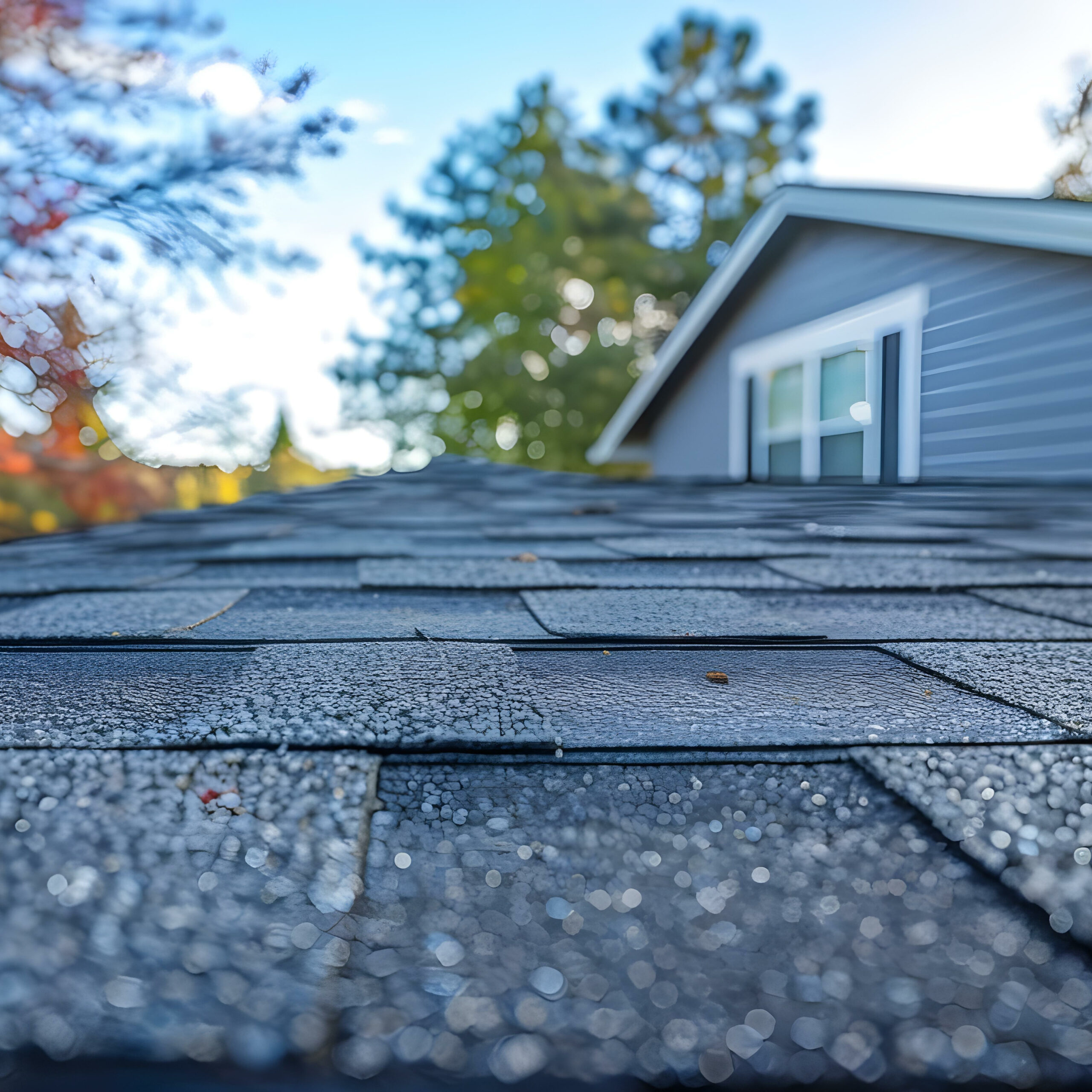
Roof granules help protect your shingles from UV rays, weather damage, algae growth, and everyday wear. Over time, those granules can loosen and wash into your gutters, downspouts, or landscaping. While some granule loss is normal, especially on a newer roof or after severe weather, excessive granule loss can be a sign that your shingles are aging and may no longer be protecting your home the way they should.
In this blog, we’ll explain what roof granules are, why they matter, and when granule loss may be a sign that it’s time to consider a professional roof inspection, repair, or roof replacement.
What is the Purpose of Roof Granules?
When you think of roofing materials, you probably envision shingles as a basic component. However, one key feature often overlooked is the small, sand-like particles coating the surface of the shingles—these are roof granules. Though they may seem insignificant, roof granules play an essential role in protecting your home and extending the lifespan of your roof. In this blog, we’ll explore what roof granules are and why they’re so important for the health of your roof.
What Are Roof Granules?
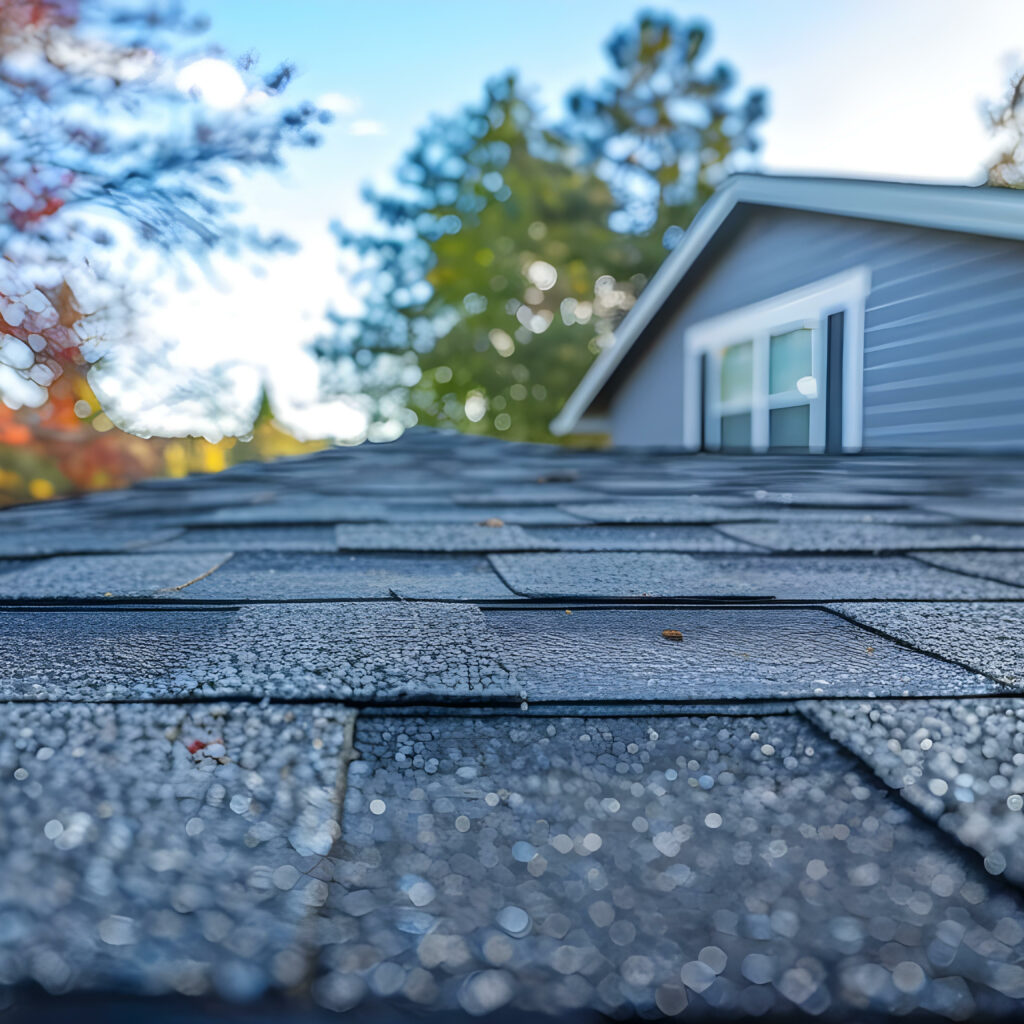
Roof granules are small, mineral particles embedded into the surface of asphalt shingles. Typically made from crushed stone, ceramic, or other durable materials, these granules are adhered to the top layer of the shingle during the manufacturing process. The purpose of roof granules give shingles their texture and color, but they also provide several crucial benefits that contribute to the roof’s overall performance and durability.
Key Functions of Roof Granules
1. UV Protection
One of the primary purposes of roof granules is to protect your shingles from the sun’s harmful ultraviolet (UV) rays. Prolonged exposure to sunlight can cause asphalt shingles to degrade over time, leading to premature aging, cracking, and curling. Roof granules act as a barrier, absorbing and reflecting the sun’s UV rays and preventing the asphalt layer from deteriorating.
Without granules, your roof could lose its integrity much faster, resulting in expensive repairs or replacements.
2. Enhanced Durability
Granules add an extra layer of protection to your roof, improving the overall strength and durability of the shingles. This makes them more resistant to harsh weather conditions, such as heavy rain, hail, and strong winds. The granules provide a buffer that helps prevent damage to the shingle’s asphalt core, ensuring your roof can withstand wear and tear over time.
3. Improved Fire Resistance
Another critical function of roof granules is to enhance the fire-resistant properties of asphalt shingles. The mineral coating on the granules can help slow down the spread of flames in the event of a fire. In fact, some roofing products are specifically designed with fire resistance in mind, earning Class A fire ratings—the highest level of fire protection for roofing materials.
4. Aesthetic Appeal
Beyond protection, roof granules also contribute to the appearance of your roof. Granules come in a variety of colors and blends, allowing homeowners to choose shingles that match their home’s style and design. Whether you prefer neutral tones or bold, earthy hues, the granules give shingles their distinctive color, enhancing your home’s curb appeal.
5. Prevent Algae Growth
Some roof granules are infused with copper or zinc particles that help prevent the growth of algae on your roof. Algae can appear as unsightly black streaks on your shingles, particularly in humid environments. Algae-resistant granules help maintain the appearance of your roof by inhibiting algae growth, keeping your roof looking clean and well-maintained for years.
Signs of Granule Loss
Over time, your roof may experience some granule loss, which can be a sign that the shingles are aging or damaged. If you notice granules accumulating in your gutters or on the ground around your home, it may indicate that your roof is losing its protective coating. Excessive granule loss can expose the asphalt layer, making your shingles more vulnerable to UV damage, leaks, and other forms of deterioration.
What to Do if You Notice Granule Loss
If you detect granule loss, it’s essential to assess the condition of your roof. While some minor granule shedding is normal, significant granule loss could signal that your roof is reaching the end of its lifespan. In such cases, it’s a good idea to have a professional roofing contractor inspect your roof to determine if repairs or a replacement are necessary.
Conclusion: Don’t Ignore Granule Loss
Roof granules may not seem like a major part of your roofing system, but they play an important role in protecting your shingles from sun exposure, harsh weather, algae growth, and everyday wear. When those granules begin collecting in your gutters, downspouts, or around your home, it can be an early warning sign that your roof is losing some of its protective strength.
A small amount of granule shedding can be normal, especially after a new roof installation or a major storm. But widespread or excessive granule loss should not be ignored. The sooner you have your roof inspected, the easier it is to determine whether you need a simple repair, preventative maintenance, or a full roof replacement.
If you’re concerned about the condition of your shingles, The Third Estimate can help. Our roofing team provides professional roof inspections throughout Northeast Ohio and can give you honest guidance on the best next step for your home. Schedule your free estimate today and protect your roof before small issues turn into costly damage.