What is the Roofing Installation Process Like?
When it comes to installing a new roof, understanding the process can help you feel more confident and prepared. Whether you are replacing an old roof or installing one for the first time, knowing what to expect can make the project smoother and less stressful.
A professional roofing installation should include more than removing old shingles and installing new materials. It should also include inspection, planning, site protection, proper cleanup, a final walkthrough, and clear communication about warranties and maintenance.
Timing also matters. The season you choose can affect scheduling, weather delays, material handling, and how quickly your roofing project can be completed. Here is what Northeast Ohio homeowners can expect during the roof installation or roof replacement process.
Understanding your complete roofing system
Before diving into the actual installation steps, it is essential to understand that a roof is much more than just the shingles visible from the street. A high-performing roof is a carefully engineered combination of multiple components working together to ensure structural integrity and home energy efficiency.
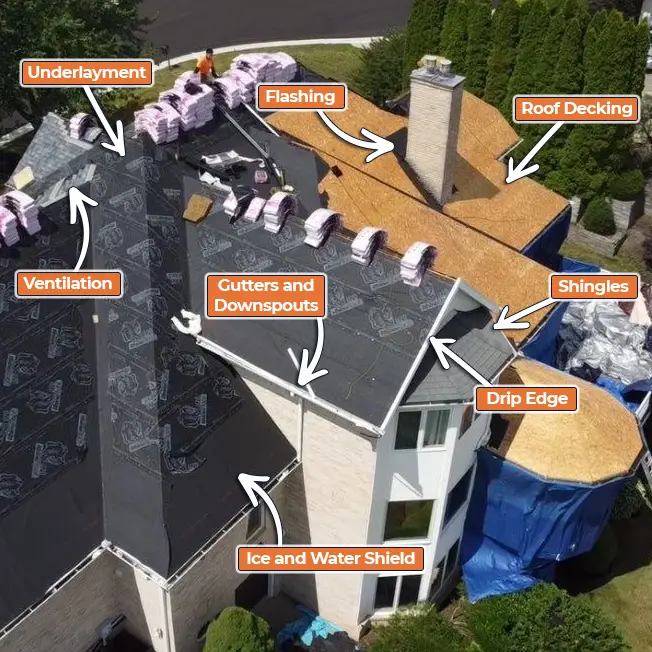
When planning a professional roof replacement, these are the vital components that your contractor will be installing:
- Roof Decking (Sheathing): Made of durable plywood or oriented strand board (OSB), the decking serves as the primary base of your roof, providing a solid structural foundation for all subsequent materials.
- Underlayment: Positioned directly on top of the roof decking, this acts as a critical secondary moisture barrier.
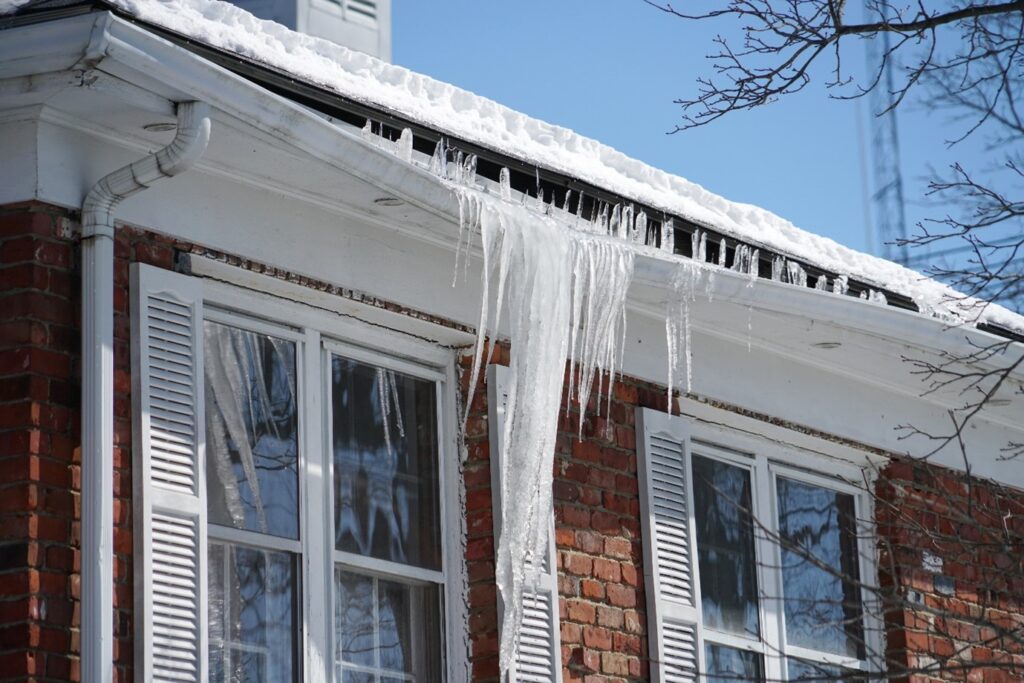
- Ice and Water Shield: In regions prone to harsh winter weather like Northeast Ohio, a specialized ice and water shield is applied heavily along the roof edges, valleys, and vulnerable eaves. This specialized barrier provides extra protection against water backing up from ice dams.
- Flashing: Custom-fitted metal pieces placed around structural intersections—such as chimneys, vents, and skylights—to dynamically direct water away and prevent localized leaks.
- Drip Edge: A rigid metal strip installed along the roof’s perimeter that guides runoff cleanly away from your fascia boards and directly into your gutter systems.
- Roof Ventilation: Proper intake and exhaust ventilation allow continuous air circulation in your attic, reducing indoor moisture buildup and actively preventing wood rot or mold growth.
- Gutters and Downspouts: While structurally distinct from your roof, a properly sloped, seamless gutter system is critical to the roofing ecosystem, funneling millions of gallons of water safely away from your home’s foundation.
Initial Consultation and Inspection
The roofing installation process begins with an initial consultation and inspection. During this phase, a roofing professional will visit your home to assess the current condition of your roof and discuss your needs and preferences. They will evaluate the extent of any damage, measure the roof, and determine the best materials and solutions for your project. This step is crucial for creating an accurate estimate and developing a plan for the installation.
Selecting Roofing Materials
Once the inspection is complete, you’ll need to choose the roofing materials that best suit your needs and budget. Common options include asphalt shingles, metal roofing, wood shingles, and tile. Your contractor can provide recommendations based on factors such as durability, aesthetic appeal, and energy efficiency.
When Is the Best Time to Schedule Roof Installation?
Roof installation can often be completed during different times of the year, but the season can affect scheduling, weather delays, material handling, and overall project timing.
For Northeast Ohio homeowners, the best time to schedule a roof installation often depends on:
- The condition of the current roof
- Whether there are active leaks or storm damage
- Temperature and weather conditions
- Contractor availability
- Material availability
- How urgently the roof needs to be repaired or replaced
- Whether the home needs to be ready before winter
If your roof has active leaks, missing shingles, storm damage, or interior water stains, do not wait for the “perfect” season. Urgent roof issues should be inspected as soon as possible.
Spring Roof Installation
Spring can be a good time to schedule roof installation because temperatures begin to warm up and winter snow and ice have usually cleared.
Spring may be a good fit if:
- You noticed roof damage after winter
- You want repairs or replacement before summer storms
- Temperatures are mild enough for roofing work
- You want to address issues before they get worse
The biggest challenge in spring is unpredictable weather. Frequent rain can delay roofing projects, and contractors may still be catching up from winter weather delays.
Summer Roof Installation
Summer is often a busy season for roof installation. Warm weather and longer daylight hours can help crews complete projects efficiently.
Summer may be a good fit if:
- You want the project completed before fall
- Your roof damage was found after spring storms
- You have more flexibility with scheduling
- Weather conditions are mostly dry and consistent
The biggest challenge in summer is demand. Roofing contractors may have fuller schedules, and extreme heat can affect working conditions or how some materials are handled.
Fall Roof Installation
Fall is often one of the best times to install a roof. Cooler temperatures can be easier on roofing crews and materials, while the weather is often more workable than winter.
Fall may be a good fit if:
- You want your home protected before snow and ice arrive
- Your roof is aging or showing signs of wear
- You want to address leaks before winter
- You are preparing your home for colder weather
- You want more comfortable installation conditions
For many Northeast Ohio homeowners, fall is the ideal time to replace a roof before winter weather puts more stress on the home.
Winter Roof Installation
Winter roof installation can be more challenging because cold temperatures, snow, and ice can create delays and make certain materials harder to work with.
Winter may still be necessary if:
- Your roof is leaking
- Storm damage has left the home vulnerable
- Missing shingles are exposing the roof
- Waiting until spring could cause more damage
- The contractor determines conditions are safe enough for the work
Winter is not always ideal, but urgent roof problems should still be evaluated. A roofing professional can determine whether the project should move forward immediately or whether temporary protection is needed until better weather arrives.
The Best Season Depends on Your Roof
There is no single perfect season for every roofing project. Fall is often a strong choice for planned roof replacement, but spring, summer, and even winter may make sense depending on the condition of your roof.
The most important step is scheduling a roof inspection before small problems turn into bigger ones.
Selecting Roofing Materials
Once the inspection is complete, your contractor will help you choose roofing materials that fit your home, budget, style, and long-term needs. Common considerations include durability, curb appeal, energy efficiency, warranty coverage, and how well the material performs in Northeast Ohio weather.
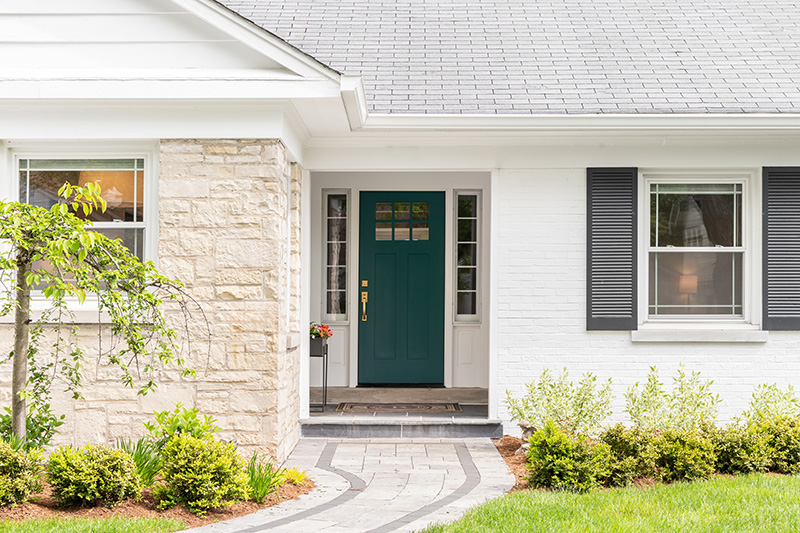
Your contractor should also help you compare colors and styles so the new roof complements your home’s exterior.
Popular Ohio Roof Material Performance
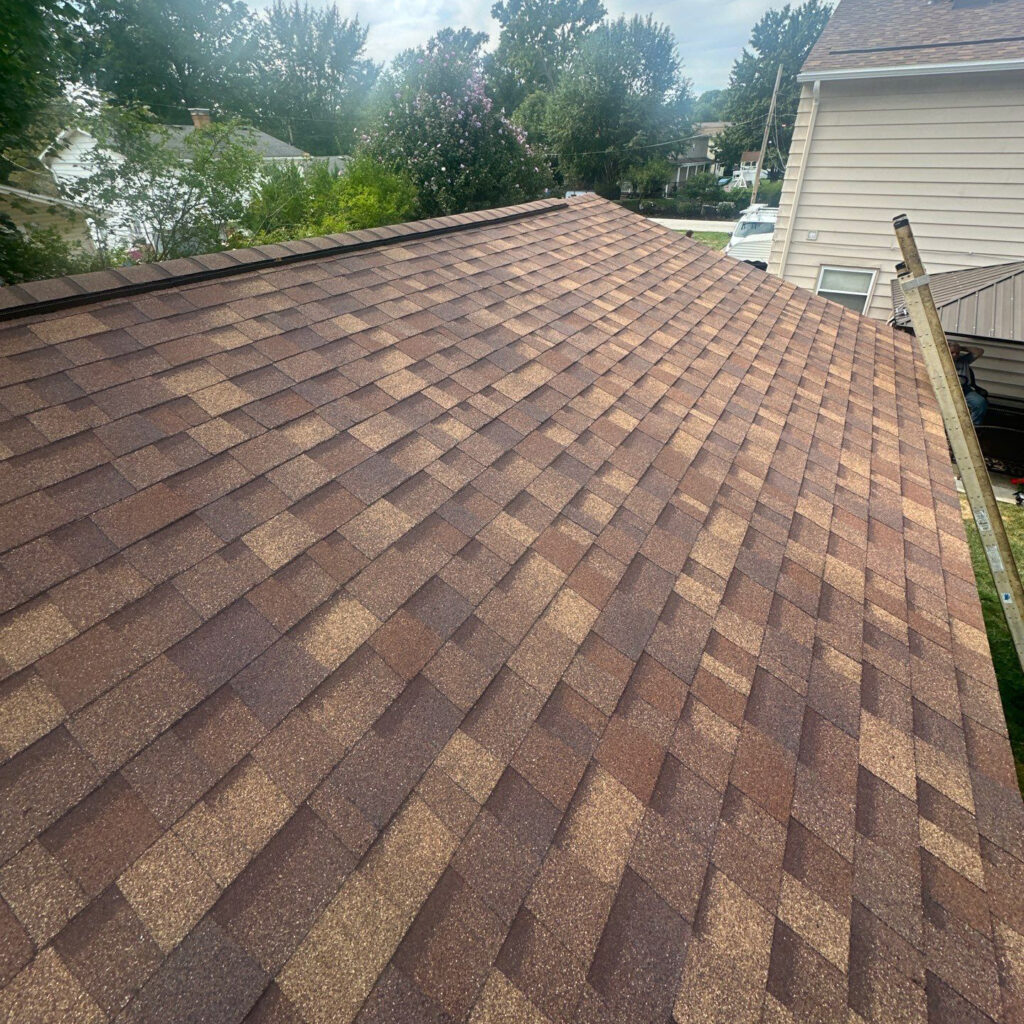
- Asphalt Shingles (The Ohio Favorite): By far the most popular choice across the state due to their balance of affordability, versatility, and heavy weather resistance. High-quality architectural shingles are engineered to withstand driving snow, ice, and heavy summer rain.
- Metal Roofing (The Growth Leader): Rapidly gaining popularity for Ohio homeowners looking for an eco-friendly, long-term asset. Metal roofs are highly reflective, reducing cooling costs in the summer while shedding snow effortlessly in the winter.
- Slate and Tile (The Premium Option): Typically utilized for historic properties or high-end architectural designs. These materials boast an unmatched lifespan of 50 to 100+ years and provide stunning curb appeal, though they require a structurally reinforced roof deck to support the extreme weight.
Obtaining Permits
Before work begins, your contractor will typically handle any required permits for your roofing project. Permits help ensure the roof installation follows local building codes and requirements.
A reputable roofing contractor should explain what permits are needed, who is responsible for them, and how they fit into the project timeline.
Preparing the Site
Preparation is key to a successful roofing installation. The contractor will start by clearing the area around your home and setting up safety measures to protect both the workers and your property. This includes covering plants, setting up scaffolding if needed, and removing any debris from the old roof. They will also ensure that your home’s gutters and downspouts are properly protected.
Before roof work begins, the crew should also plan for cleanup. Roof replacement can create debris because old shingles, underlayment, nails, flashing, and packaging materials have to be removed from the property.
A good preparation plan should include:
- Protecting landscaping, plants, and exterior surfaces
- Moving or covering outdoor furniture and decorations
- Setting up areas for old roofing materials and debris
- Protecting gutters and downspouts where needed
- Keeping walkways and work areas as safe as possible
- Planning how nails and small debris will be collected after installation
Weather also plays a role in site preparation. Your contractor should monitor the forecast and plan the project around rain, snow, extreme heat, or unsafe working conditions.
Removing the Old Roof
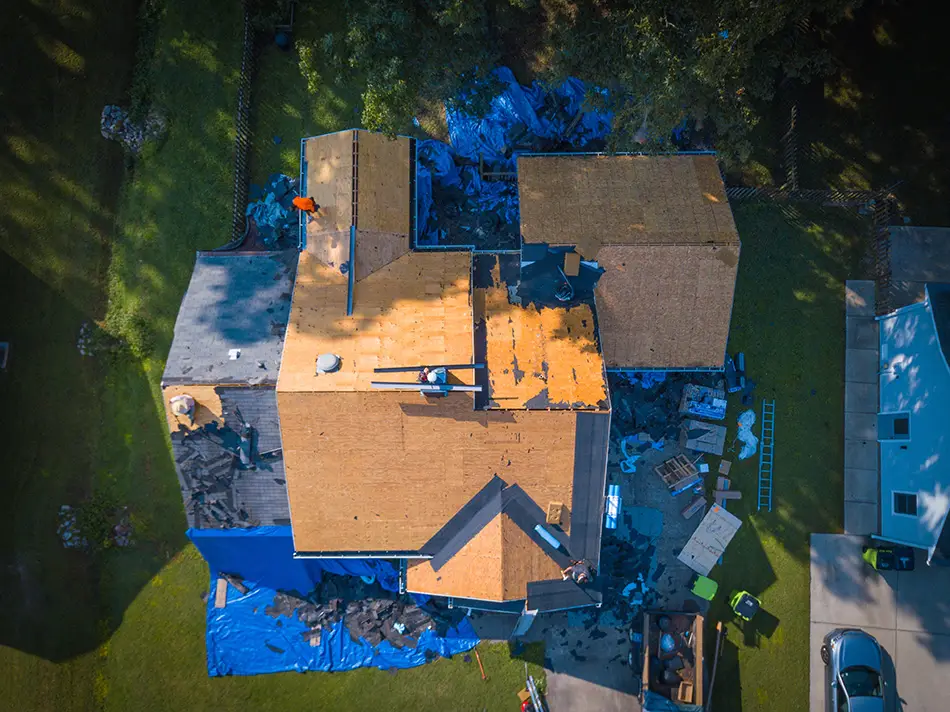
The next step is to remove the old roofing materials. This involves stripping away the existing shingles, tiles, or metal panels, as well as any underlayment and flashing. The contractor will inspect the roof deck for damage during this process and make any necessary repairs. Removing the old roof allows for a clean slate and ensures that the new materials adhere properly.
Removing the old roof is also when the project can look the messiest. That is normal, but the contractor should have a plan for containing debris and keeping the property as organized as possible throughout the process.
Installing Underlayment and Flashing
Once the old roof is removed, the contractor will install a new underlayment, which provides an additional layer of protection against moisture and leaks. They will also install flashing around areas such as chimneys, vents, and skylights to prevent water infiltration. Proper installation of underlayment and flashing is crucial for the long-term performance of your new roof.
Installing the New Roof
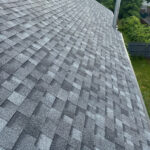
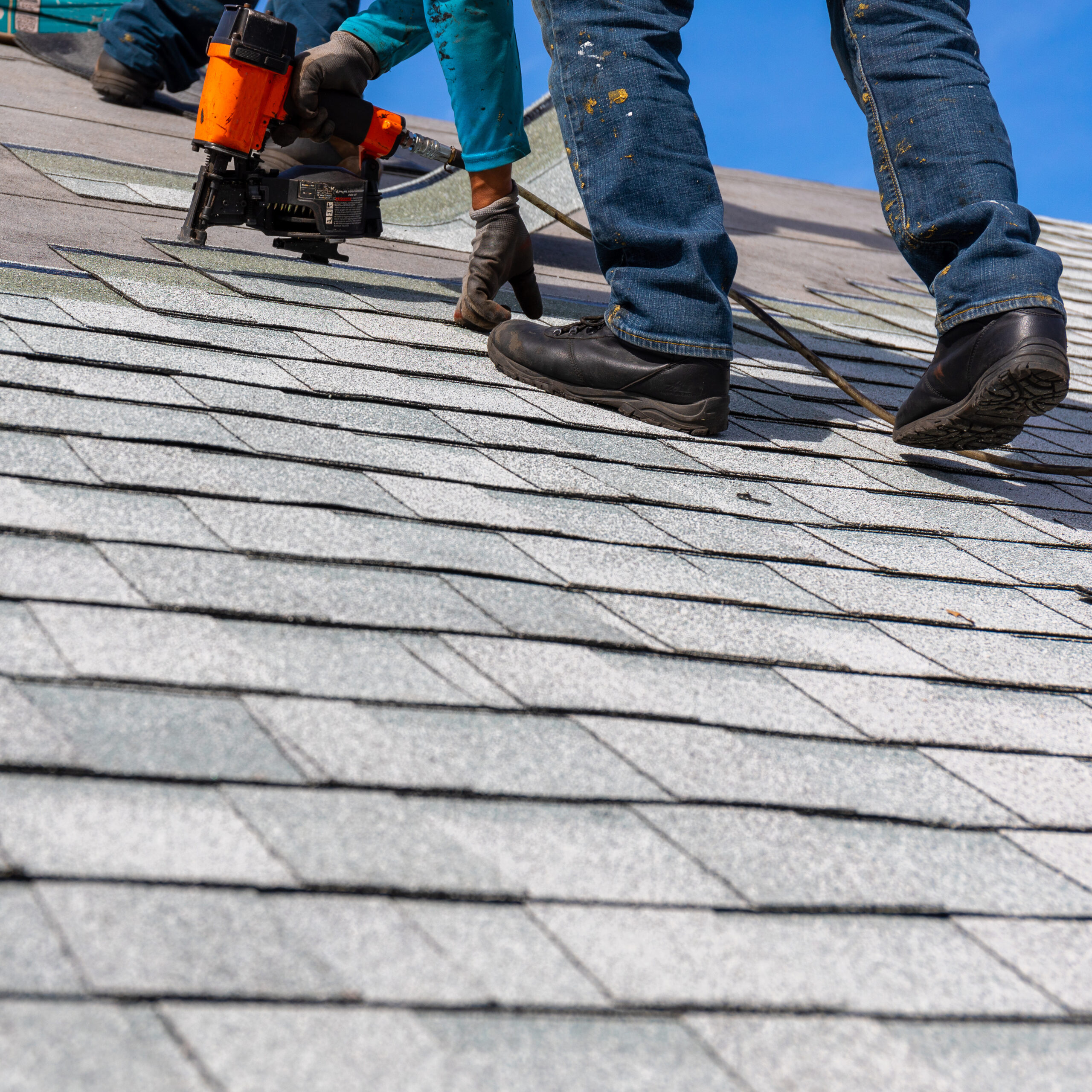
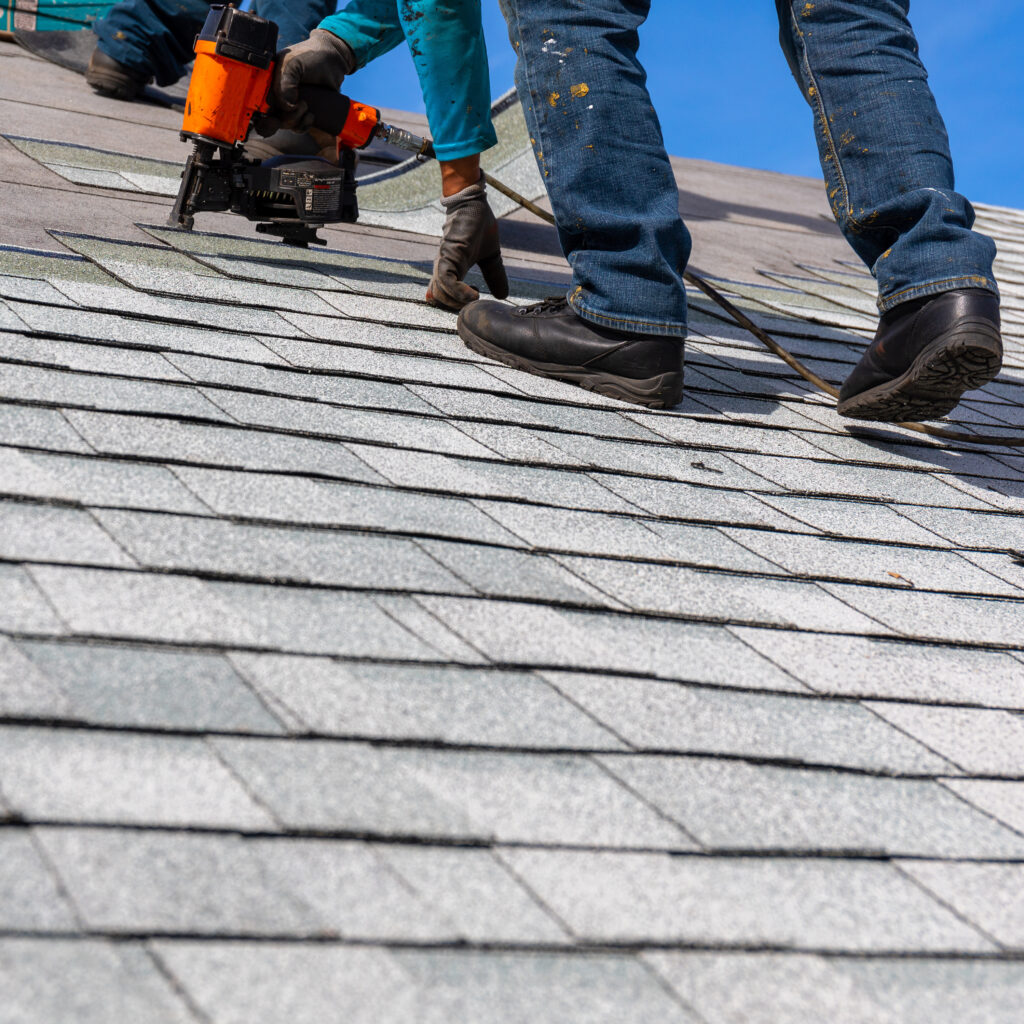
With the underlayment and flashing in place, the contractor will proceed with installing the new roofing materials. This step involves laying down the new shingles, tiles, or metal panels according to the manufacturer’s instructions and best practices. The contractor will ensure that each piece is properly aligned and secured to provide optimal protection and performance.
Quality installation matters because it affects roof performance, warranty coverage, weather protection, and the long-term lifespan of the roofing system.
Cleaning Up, Magnetic Sweep, and Final Inspection
A roof replacement can create a lot of debris. Old shingles, underlayment, nails, packaging, and other materials all have to come off the roof and be removed from the property. A quality roofing job should not be considered finished until the cleanup is complete.
At The Third Estimate, cleanup is part of the roof replacement process. The goal is to leave your property safe, clean, and ready to enjoy after the work is done.
Removing Old Roofing Materials
Once the roof work is complete, the crew should remove old shingles, underlayment, and debris from the property. Homeowners should not be left with piles of roofing waste, loose materials, or cleanup work after the project.
Magnetic Sweep for Nails
Nails left behind after a roof replacement can be a safety concern for people, pets, vehicles, and landscaping. A magnetic sweep helps collect loose nails and small metal pieces from the work area.
The crew should check areas such as:
- Driveways
- Walkways
- Patios
- Yard areas near the roofline
- Landscaping beds near the home
- Areas where materials were staged or removed
Final Walkthrough
After cleanup is complete, the contractor should perform a final walkthrough. This helps confirm that the new roof was installed correctly, the property was cleaned, and any last questions are addressed.
During the final walkthrough, homeowners can ask about:
- Warranty information
- Maintenance recommendations
- Cleanup concerns
- Photos or inspection notes
- Any follow-up items
- What to watch for after installation
Putting Things Back
If outdoor furniture, planters, decorations, or other items were moved before the project, they should be returned after the work area is clean and safe. The goal is for your home to feel neat, comfortable, and ready to use again.
Post-Installation Follow-Up
After the installation is complete, your contractor should provide information about roof maintenance, warranty coverage, and what to expect after the project. This is also a good time to confirm who to contact if questions come up later.
Post-installation follow-up may include:
- Warranty information
- Product and workmanship details
- Maintenance recommendations
- Final project photos
- Cleanup confirmation
- Follow-up inspection details, if applicable
- Contact information for future questions
Schedule a Roof Installation Estimate With The Third Estimate
A successful roofing installation is about more than putting new shingles on your home. The process should include a professional inspection, clear material recommendations, proper permitting, site protection, careful installation, thorough cleanup, a magnetic sweep, final inspection, and post-installation support.
At The Third Estimate, we help Northeast Ohio homeowners understand every step of the roof replacement process. From the first inspection to the final walkthrough, our team is focused on protecting your home, respecting your property, and making the experience as smooth as possible.
If you are considering a new roof, schedule a roof installation estimate with The Third Estimate.
Roofing Installation FAQs
What happens during a roof installation?
A roof installation typically includes an inspection, material selection, permitting, site preparation, removal of old roofing materials, roof deck inspection, underlayment and flashing installation, new roof installation, cleanup, final inspection, and warranty review.
Is roof installation the same as roof replacement?
Roof installation can refer to installing a roof on a new structure or installing a new roofing system on an existing home. Roof replacement usually means removing an old or failing roof and installing a new one. For many homeowners, the terms are used together when discussing a new roof on an existing home.
How messy is a roof replacement?
Roof replacement can create debris because old shingles, nails, underlayment, and other materials must be removed. A professional roofing contractor should protect the property, remove debris, complete a magnetic sweep for nails, and perform a final walkthrough.
What is a magnetic sweep after roof replacement?
A magnetic sweep uses a strong magnet to collect loose nails and small metal pieces from the work area after roof installation. This helps keep driveways, walkways, landscaping, and yard areas safer after the project.
What should I ask before roof installation starts?
Ask about the project timeline, materials, permits, warranty coverage, cleanup process, property protection, final inspection, and who to contact if questions come up during or after the project.
Does The Third Estimate clean up after roof replacement?
Yes. Cleanup is part of the roof replacement process. The goal is to remove old roofing materials, collect nails and debris, complete a final walkthrough, and leave the property clean and safe.
What is the best season to install a roof?
Fall is often one of the best seasons to install a roof because temperatures are usually cooler, weather can be more manageable than winter, and homeowners can prepare their home before snow and ice arrive. However, the best season depends on the condition of your roof and whether repairs are urgent.
Can a roof be installed in winter?
Yes, roof installation may be possible in winter, but cold temperatures, snow, ice, and safety concerns can create delays. If your roof is leaking or storm damaged, a roofing professional can inspect it and recommend whether immediate work or temporary protection is needed.
Is summer a good time for roof installation?
Summer can be a good time for roof installation because of warm weather and longer daylight hours. However, it is also a busy season for roofing contractors, and extreme heat can affect working conditions and material handling.
Should I wait until fall to replace my roof?
Not if your roof has active leaks, missing shingles, storm damage, or interior water stains. Fall can be ideal for planned roof replacement, but urgent roof issues should be inspected as soon as possible.