How Do I Choose the Right Size of Gutters for My Home?
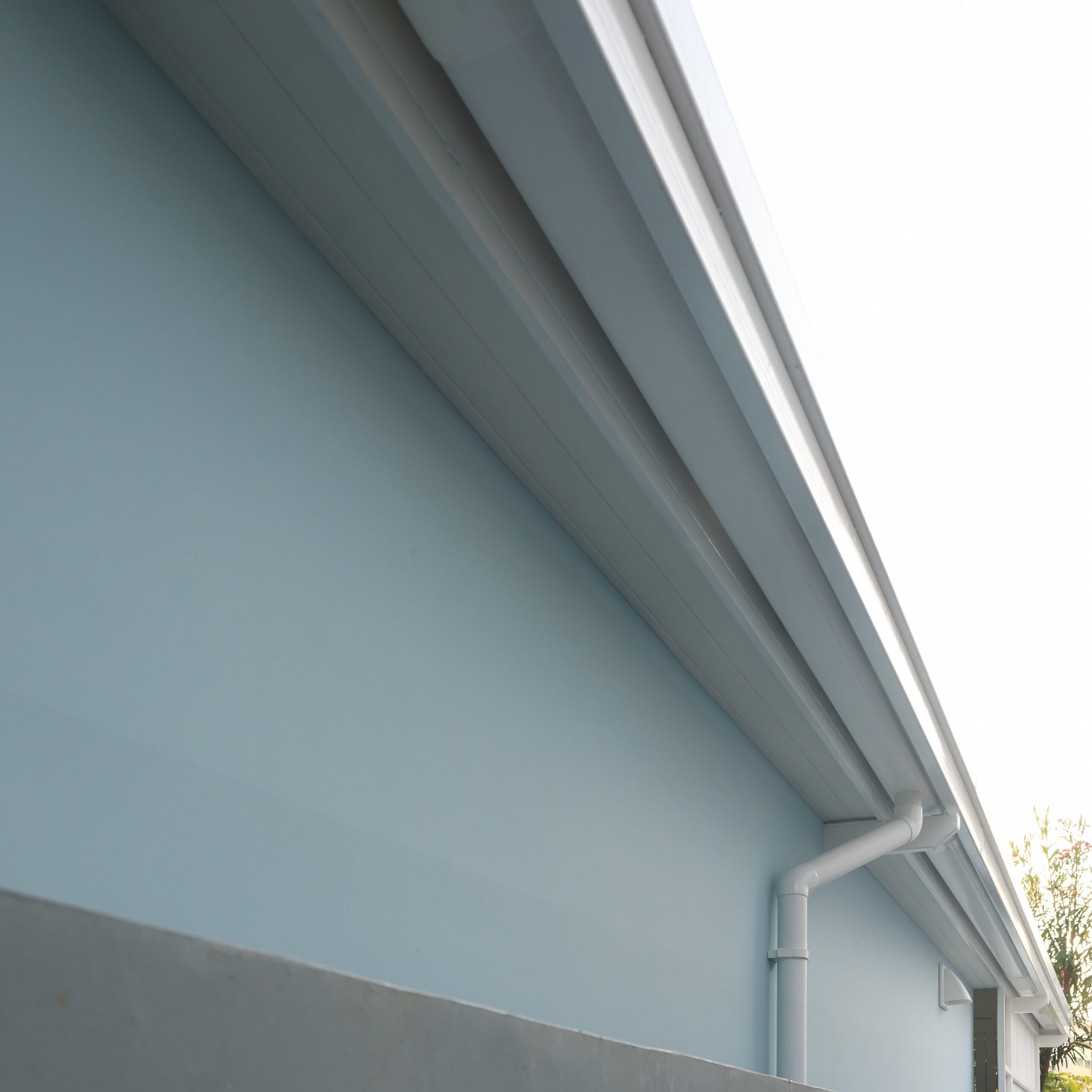
Gutters protect your home by directing rainwater and snowmelt away from the roof, siding, landscaping, and foundation. But choosing the right gutter system is not only about picking a size. Homeowners should also consider the home’s roofline, roof pitch, drainage needs, local weather, gutter style, material, downspout placement, and maintenance needs.
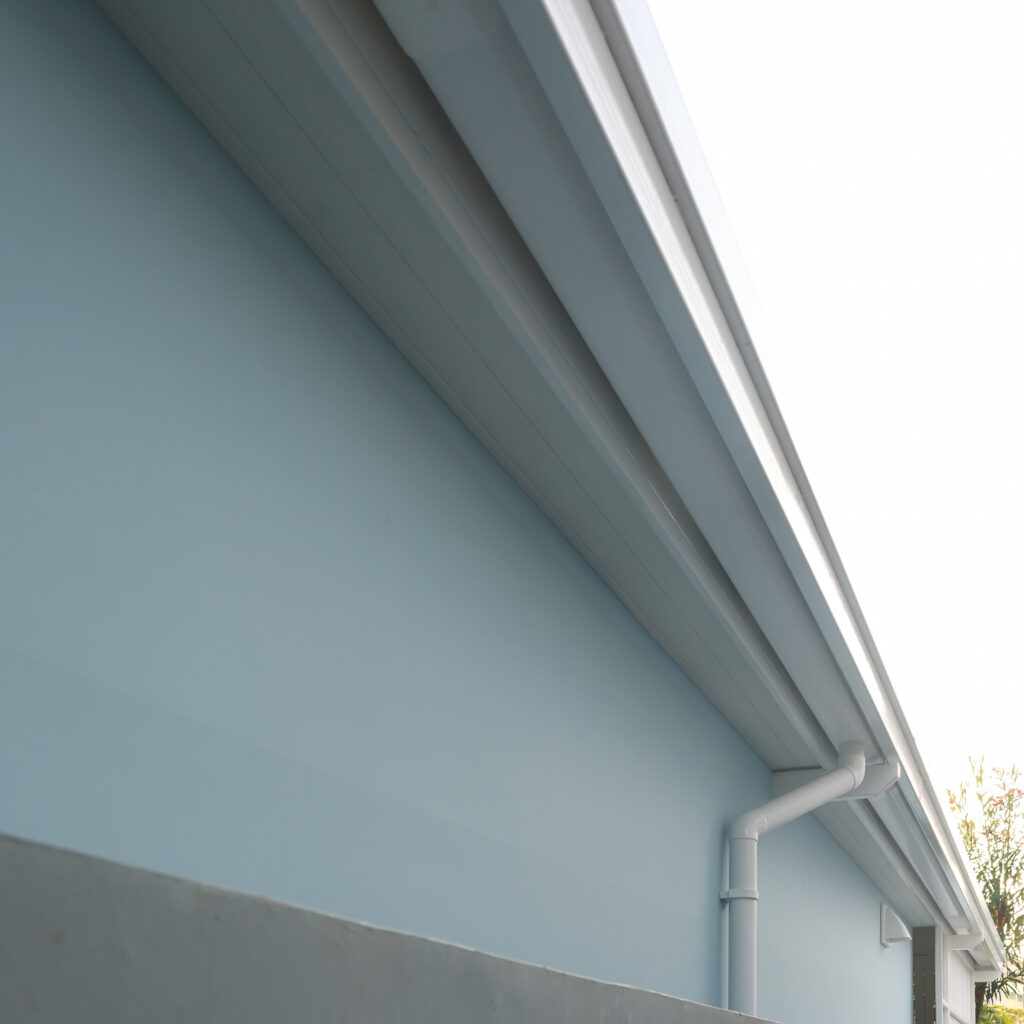
When choosing gutters, consider:
- Gutter size
- Roof size and pitch
- Rainfall and snowmelt
- Downspout placement
- Gutter style
- Gutter material
- Maintenance needs
- Curb appeal
Different types of gutters have different benefits and drawbacks. The right choice depends on your home’s roofline, budget, local climate, drainage needs, and exterior style.
A professional gutter installer can evaluate your roofline, drainage needs, and existing exterior system before recommending the best option.
Why Gutter Size Is Important
Gutter size matters because the system has to handle the amount of water coming off your roof.
If gutters are too small, they may cause:
- Overflowing water
- Roofline leaks
- Water running behind the gutters
- Siding damage
- Foundation issues
- Landscape erosion
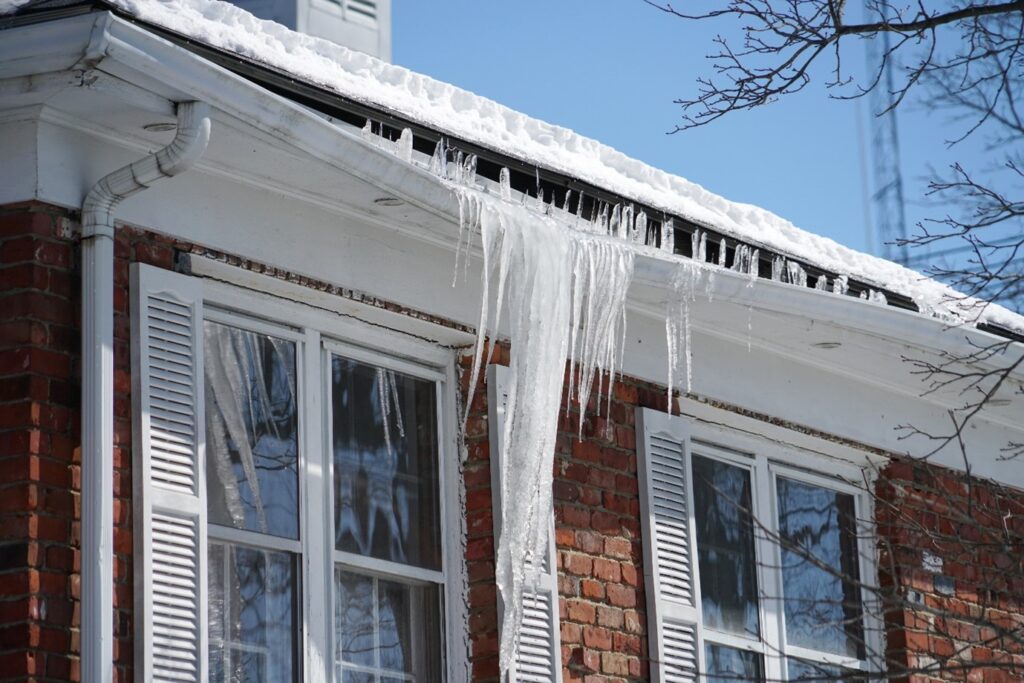
- Ice-related problems in colder weather
If gutters are larger than needed, they may:
- Cost more than necessary
- Look bulky on some homes
- Require proper installation to avoid drainage problems
Keep the core destination point:
Selecting the right size helps balance performance, appearance, and cost-effectiveness.
Gutter Style Can Also Affect Capacity
Gutter style can affect how much water the system can handle. For example, K-style gutters generally have a higher water capacity than some other types, while half-round gutters may have a lower capacity and may not be ideal for every home in areas with heavier rain.
This injected idea should come from the merging blog’s comparison of K-style and half-round gutters.
Common Gutter Sizes
Common residential gutter sizes include:
5-inch gutters: These are the standard size for most residential homes and can handle average rainfall in most regions.
Best for many standard homes with:
- Average roof size
- Moderate roof pitch
- Normal rainfall exposure
- Enough downspouts for proper drainage
6-inch gutters: These larger gutters are ideal for homes in areas that experience heavy rainfall or homes with steep roof pitches that cause water to flow faster.
Often better for homes with:
- Larger roof areas
- Steeper roof pitches
- Heavy rainfall exposure
- Long gutter runs
- Fewer downspouts
- Recurring overflow issues
In Northeast Ohio, homeowners may need to account for:
- Heavy rain
- Snowmelt
- Freeze-thaw cycles
- Leaves and debris
- Ice buildup
- Older rooflines or complex roof shapes
Do Not Choose Size Alone
The right gutter size depends on both how much water needs to move and how the gutter system is designed. A 5-inch gutter with enough downspouts may work well for some homes, while a 6-inch gutter may be a better fit for larger or steeper roofs.
BEFORE CHOOSING A GUTTER SIZE, CONSIDER:
- Roof Size and Pitch: Larger roofs collect more water. Steeper roofs can move water faster into the gutter system. Ask:
- How large is the roof area?
- Is the roof steep?
- Are there long roof sections draining into one gutter run?
- Are there valleys that send extra water to one area?
- Northeast Ohio rain and snowmelt: Ohio weather can bring rainstorms, snow, ice, and meltwater. Ask:
- Does water overflow during heavy rain?
- Does the home get ice buildup near the roofline?
- Are gutters pulling away or sagging?
- Is water pooling near the foundation?
- Downspout Placement: Downspouts affect how quickly water leaves the gutter system. Ask:
- Are there enough downspouts?
- Are downspouts placed where water naturally collects?
- Are downspouts directing water away from the foundation?
- Are long gutter runs draining too slowly?
- Maintenance Needs: Upkeep and maintenance could potentially influence your gutter size. Ask:
- Do trees hang over the roof?
- Do leaves and debris collect in the gutters?
- Would gutter guards help reduce clogs?
- Is the current system difficult to clean?
Home Style and Appearance
Gutters also affect the look of your home. K-style gutters have a more decorative front that can resemble crown molding, while half-round gutters offer a more traditional look that may fit older or historic homes.
Gutter Material and Style Considerations
When choosing gutters, size is only one part of the decision. Material and style also affect durability, appearance, water capacity, maintenance, and cost.
Common material considerations include:
- Aluminum: lightweight, common, and often cost-effective
- Vinyl: affordable but may be less durable in harsh weather
- Copper: durable and visually distinctive, but more expensive
- Steel: strong, but may require more attention to rust prevention depending on coating and conditions
Common Gutter Styles
K-Style Gutters
K-style gutters are one of the most common choices for homes. They have a flat back and bottom with a decorative front that can resemble crown molding.
Benefits:
- Decorative appearance
- Higher water capacity than some other gutter styles
- Good durability because the shape adds strength
Considerations:
- The angles and edges can make them more prone to debris buildup if not maintained
- Installation can be more complex because of the shape
Half-Round Gutters
Half-round gutters have a rounded, half-circle shape. They are often used on older homes, historic homes, or homes where the homeowner wants a more traditional exterior style.
Benefits:
- Classic appearance
- Smooth interior that can help water flow more freely
- Less debris buildup in some situations because of the rounded shape
Considerations:
- Lower water capacity than K-style gutters
- May be more expensive to install
- May require special brackets or more specialized installation
Box Gutters
Box gutters are often found on commercial buildings or older homes. They are built into the roof structure instead of hanging visibly along the roof edge.
Benefits:
- Hidden or concealed look
- High water capacity
- Useful for some larger rooflines or buildings
Considerations:
- Can be harder to access and maintain
- Leaks can be more difficult to find and repair
- Improper installation or aging can lead to hidden water damage
Fascia Gutters
Fascia gutters are custom-built and installed directly onto the fascia boards of the home. They can create a clean, streamlined appearance.
Benefits:
- Custom fit
- Sleek exterior appearance
- Can be designed around the home’s roofline
Considerations:
- Often more expensive than standard gutter options
- Professional installation is usually required
- May not be necessary for every home
Choose the right gutter system for your home
Choosing the right gutter system involves more than picking the most common size.
A professional gutter installer can evaluate:
- Roof size
- Roof pitch
- Drainage patterns
- Existing gutter problems
- Downspout placement
- Water pooling near the foundation
- Siding or fascia concerns
- Tree coverage and debris
- Northeast Ohio weather exposure
Ask These Questions Before Choosing New Gutters
Add a mini checklist for AEO/GEO and UX:
- What size gutters does my home need?
- Do I need 5-inch or 6-inch gutters?
- Are there enough downspouts?
- Where should downspouts be placed?
- What gutter style fits my home?
- Would gutter guards help?
- Are my fascia boards in good condition?
- Is water currently draining away from the foundation?
Get the Right Gutters for Your Roofline, Drainage Needs, and Home
The right gutter system protects your home from water damage while fitting the roofline, drainage needs, and appearance of your exterior.
At The Third Estimate, homeowners in Northeast Ohio can get help choosing:
- The right gutter size
- The right gutter style
- The right downspout placement
- Gutter protection options
- A system designed around the home’s roof, siding, and foundation needs
If your current gutters overflow, sag, leak, clog often, or no longer protect your home properly, schedule a gutter estimate with The Third Estimate.