Let’s face it: nobody wants to think about replacing their roof. It sounds like a lot of work, not to mention a significant investment. For many homeowners, it is tempting to ignore potential issues and hope for the best.
But putting off roof maintenance, repairs, or replacement can lead to larger and more expensive problems, including leaks, water damage, mold, poor energy efficiency, and structural issues.
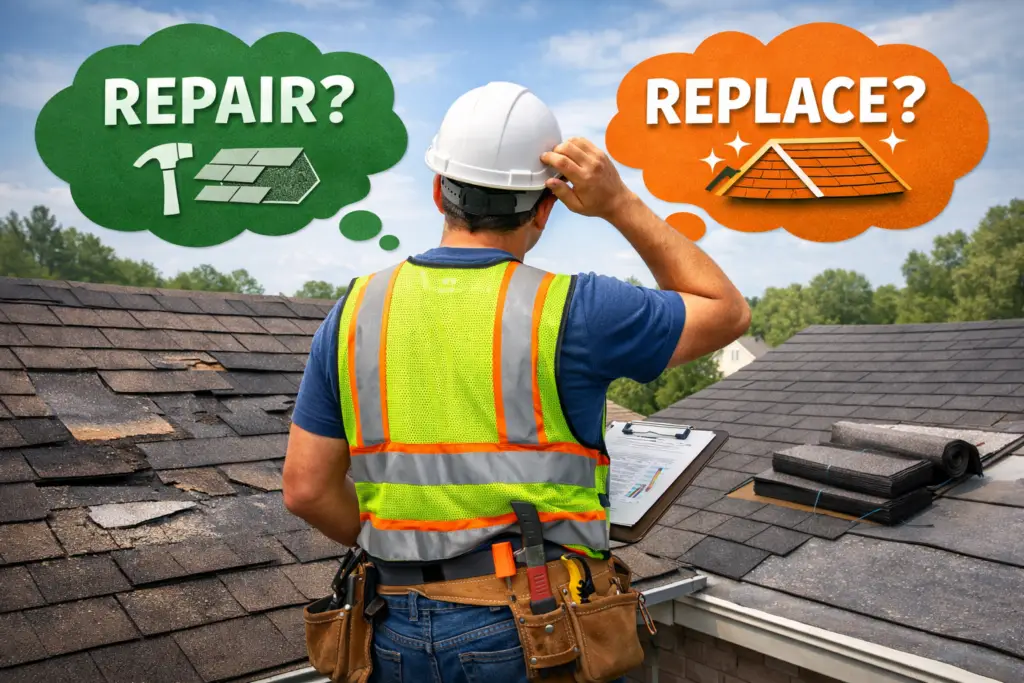
The difficult part is knowing whether your roof needs a targeted repair or a full roof replacement.
A roof repair may be enough if the damage is small, isolated, and caught early. A roof replacement may be the better option if the roof is older, has widespread damage, or continues to develop problems after previous repairs.
At The Third Estimate, we help Northeast Ohio homeowners understand what is happening with their roof through professional inspections, repair recommendations, and replacement options. Here are the signs to look for and the factors that can help you decide what your roof may need.
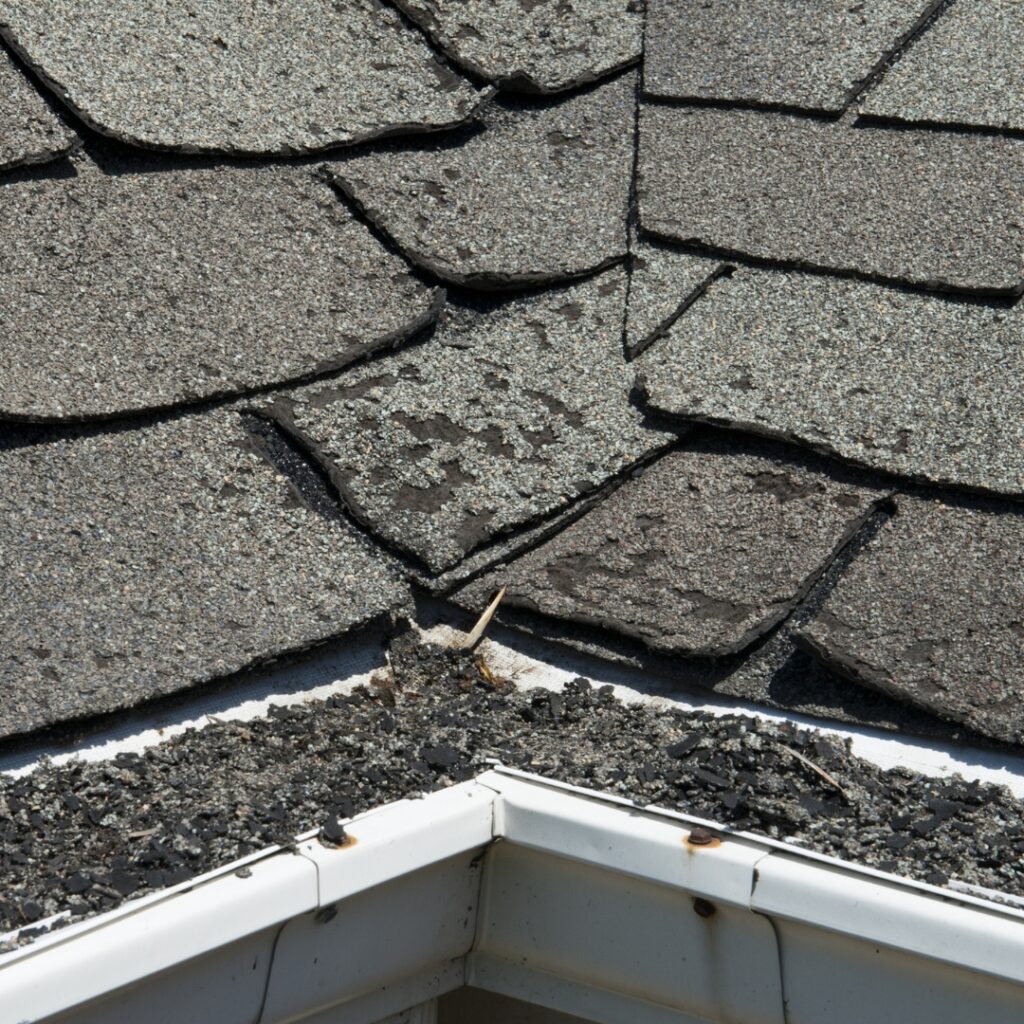
Visible Shingle Damage
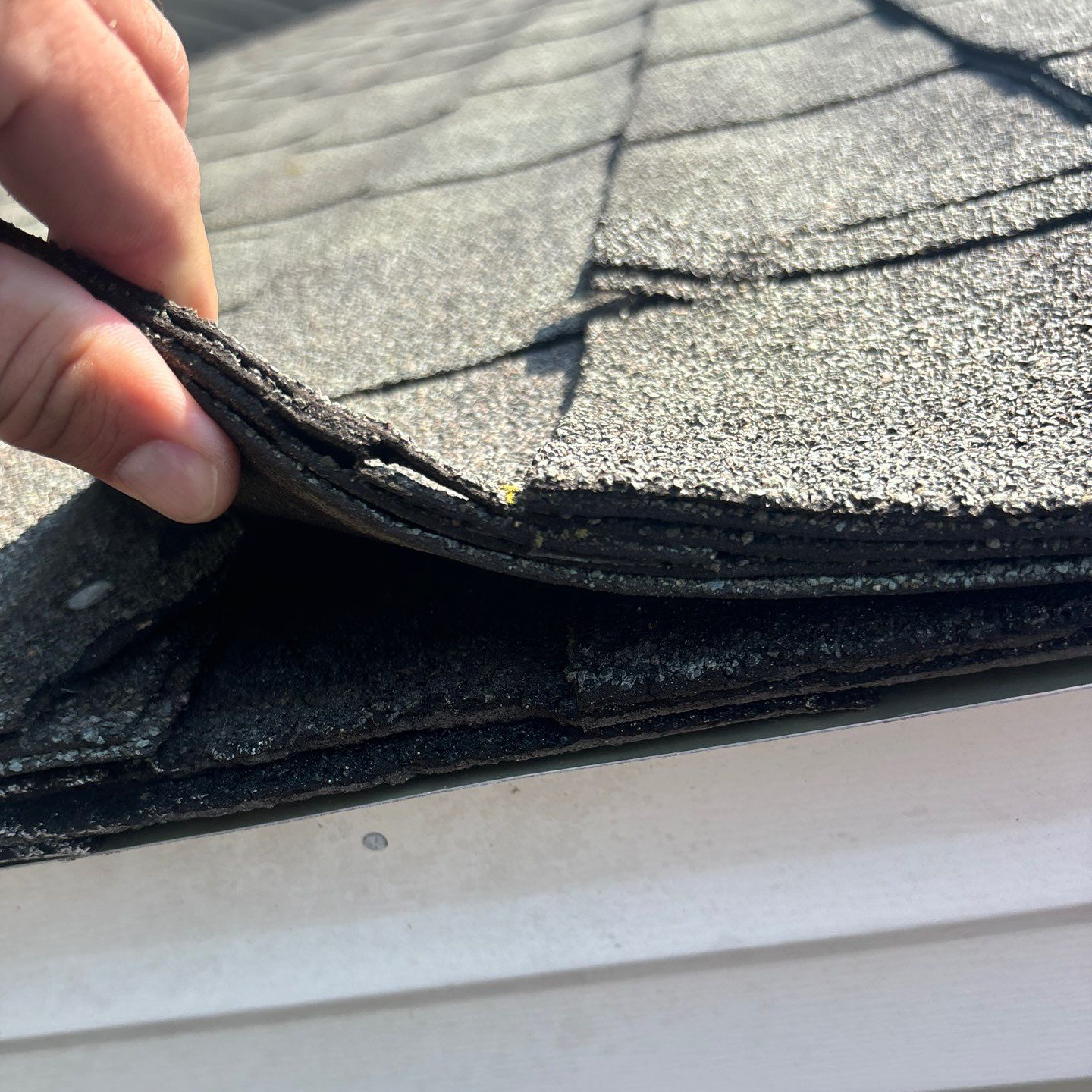
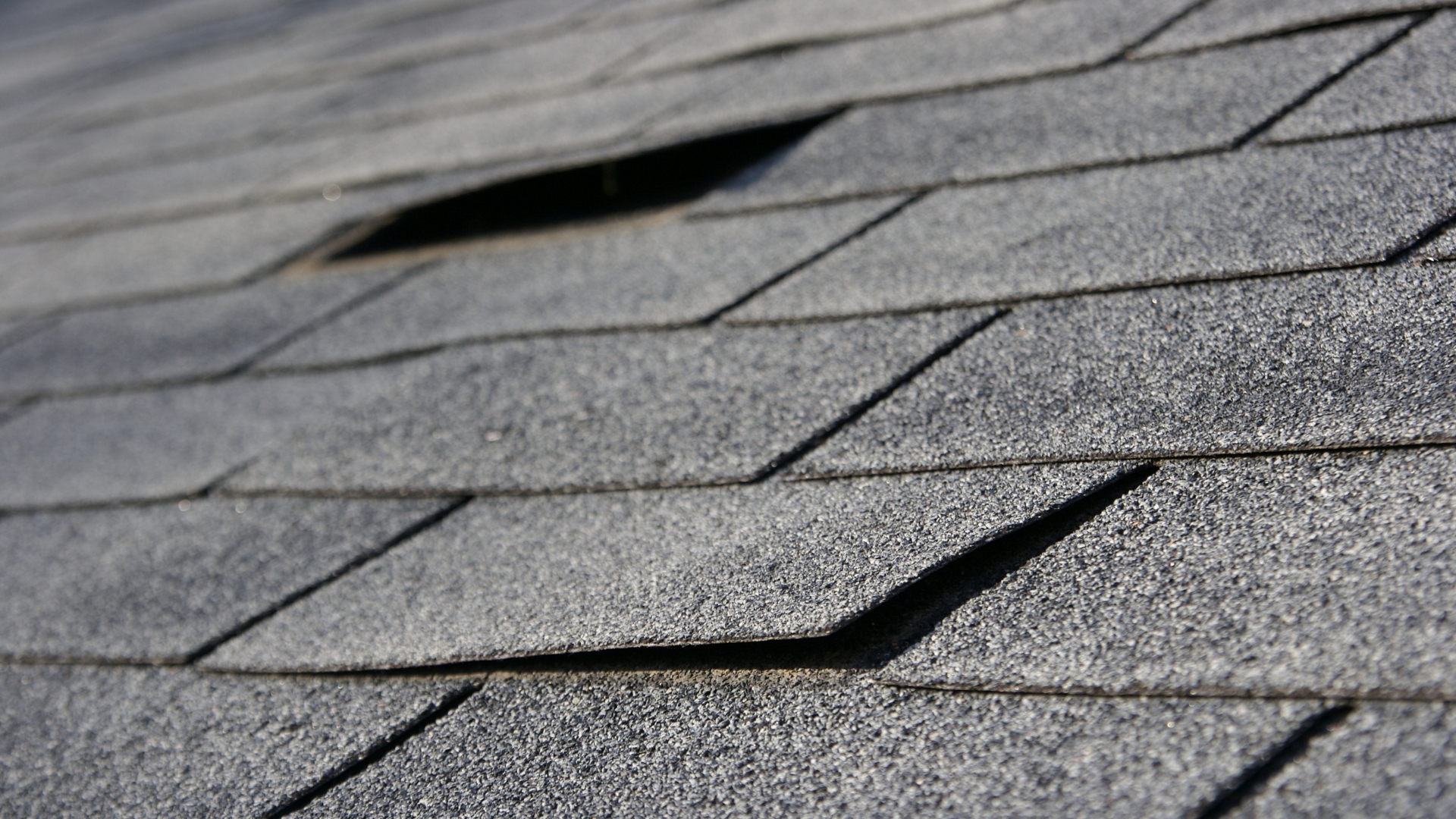
Missing, cracked, curling, buckling, or blistering shingles are some of the most common signs your roof needs attention. Shingles are designed to protect your home from rain, wind, snow, and sun exposure. When they are damaged, water can find its way underneath the roofing system.
Watch for:
- Missing shingles
- Cracked shingles
- Curling shingle edges
- Buckling shingles
- Blistering shingles
- Large sections of damaged shingles
- Shingles that look worn, faded, or uneven
A few missing or damaged shingles may only require a repair. But if large sections of shingles are damaged, curling, buckling, or worn out, replacement may be the better long-term solution.
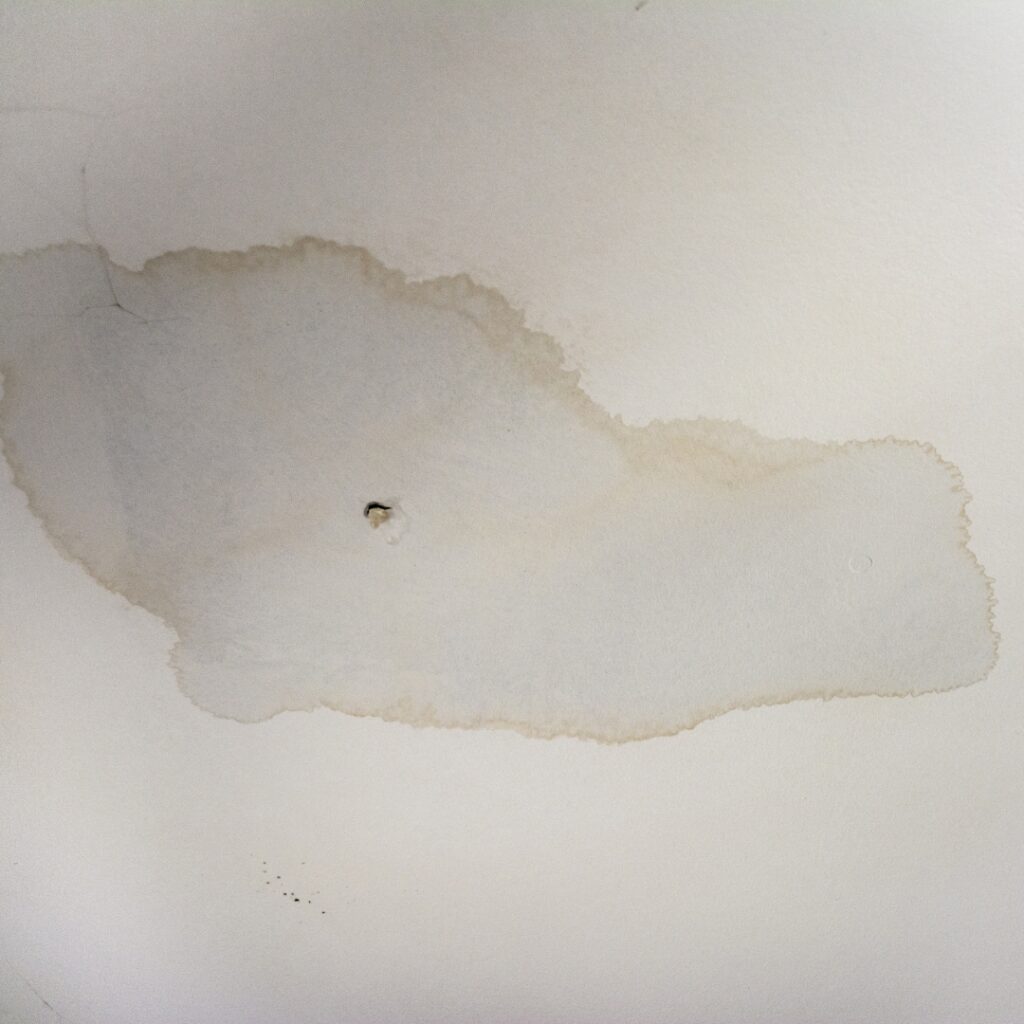
Roof Leaks or Interior Water Stains
If you notice water stains on your ceilings or walls, your roof may be leaking. Even a small leak can cause damage over time if it is not addressed.
Signs of a roof leak may include:
- Water stains on ceilings
- Damp spots on walls
- Peeling paint
- Musty odors
- Attic moisture
- Mold or mildew
- Dripping water during or after rain
An isolated leak may be repairable, especially if it is caused by a small area of damaged shingles or flashing. Multiple leaks in different areas of the roof may point to a larger roofing problem that requires replacement.
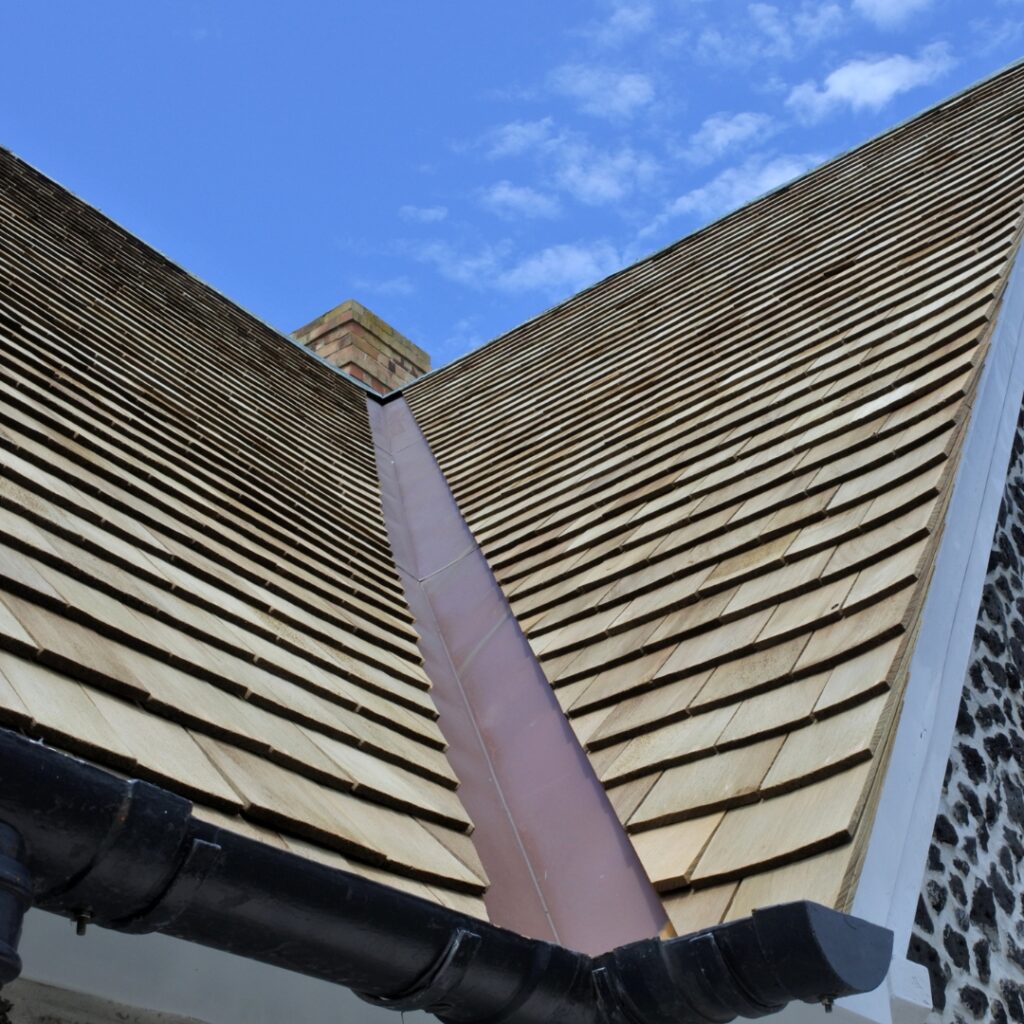
Roof Age and Material Lifespan
The age of your roof is one of the most important factors in deciding whether to repair or replace it.
Most asphalt shingle roofs last about 20 to 25 years. Some may last longer depending on the quality of materials, ventilation, installation, weather exposure, and maintenance. Metal roofs can last much longer, often several decades.
Your roof may need closer evaluation if:
- It is approaching 20 years old
- It is past its expected lifespan
- Repairs are becoming more frequent
- Shingles look worn or brittle
- Granules are collecting in gutters
- Leaks are appearing in multiple areas
- Storm damage has affected an already aging roof
An older roof may still be repairable if the damage is minor and the overall system is in good condition. But if your roof is near the end of its lifespan, replacement may be a more cost-effective choice than continuing to patch recurring problems.
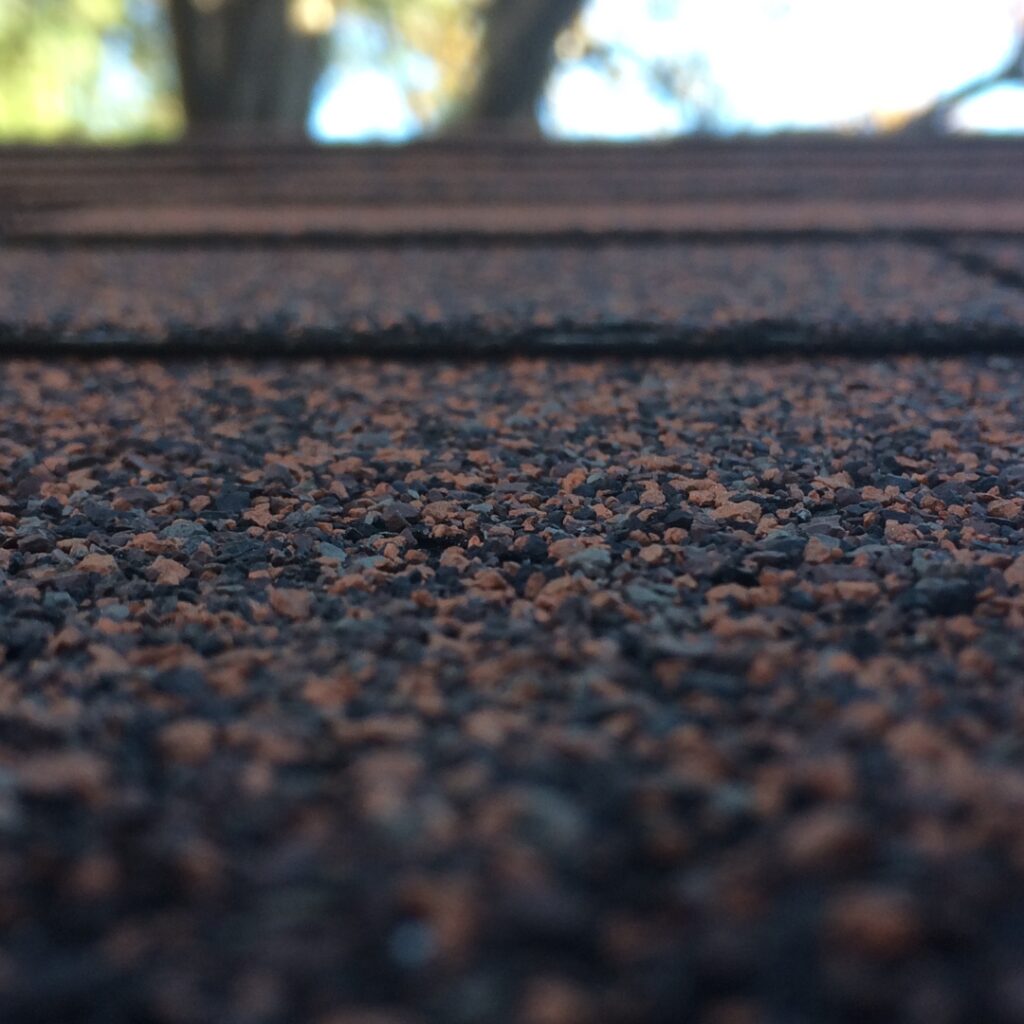
Granule Loss in Gutters Around Downspouts
Finding granules from your shingles in your gutters or around your downspouts can be a sign that your roof is wearing out. Granules help protect shingles from sun exposure and weather damage. When they begin to shed heavily, the shingles may become more vulnerable.
Signs of granule loss include:
- Granules collecting in gutters
- Granules washing out near downspouts
- Bald spots on shingles
- Shingles that look patchy or uneven
- Faster wear after storms or heavy rain
Some granule loss is normal as shingles age, especially on a newer roof shortly after installation. But heavy or ongoing granule loss may mean your roof needs professional inspection.
Repair, Re-Roof, or Replace? Key Factors to Consider
Some roof issues can be fixed with targeted repairs. Others are signs that the roof may be nearing the end of its useful life. In some cases, homeowners may also hear about re-roofing, which usually means adding a new layer of shingles over the existing roof.
Before deciding, consider:
- The age of the roof
- The number of damaged areas
- Whether leaks are isolated or widespread
- The condition of the shingles
- Whether flashing, decking, or structure is affected
- Whether the roof already has more than one layer of shingles
- How often repairs are needed
- Whether there are signs of soft decking, rot, mold, or structural damage
- Your long-term plans for the home
- Whether the roof is affecting comfort, efficiency, or curb appeal
Roof Repair
A roof repair may be enough when the damage is small, isolated, and caught early. This may include a few missing shingles, minor flashing damage, or one isolated leak.
Re-Roofing
Re-roofing may be an option when the roof has only minor damage, the underlying structure is in good condition, and there is only one layer of asphalt shingles. However, re-roofing is not right for every home because it can hide issues like rotted decking, leaks, mold, or structural damage beneath the existing shingles.
Full Roof Replacement
A full roof replacement involves removing the existing roofing materials and installing a new roofing system. This is often the better option when the roof is older, leaking in multiple areas, has widespread shingle damage, or has hidden structural concerns.
A professional roof inspection can help determine whether repair, re-roofing, or full replacement is the safest and most cost-effective option for your home.
Signs Your Roof May Only Need Repairs
A roof repair may be enough when the damage is limited to one area and the rest of the roof is still in good condition.
Repair may make sense if you notice:
- A few missing shingles
- A few cracked or damaged shingles
- Minor flashing damage
- One isolated leak
- Damage in a small area after a storm
- A newer roof with otherwise healthy materials
For example, if a few shingles are missing after high winds, a repair may restore protection without replacing the entire roof. The key is catching the problem early before water has time to spread underneath the roofing system.
Signs Your Roof May Need Replacement
A roof replacement may be the better choice when damage is widespread, recurring, or tied to the age of the roof.
Replacement may make sense if you notice:
- Multiple leaks in different areas
- Large sections of missing or damaged shingles
- Curling, buckling, or blistering shingles across the roof
- Significant granule loss
- Sagging roof areas
- Rotting wood
- Structural damage
- Repeated repair needs
- A roof near or past its expected lifespan
- Visible aging that affects curb appeal
If the same roof problems keep coming back, replacement may be more cost-effective than continuing to repair an aging system.
Roof Structure and Hidden Damage
Sometimes the visible roofing problem is only part of the issue. Water can move under shingles, behind flashing, into the attic, or into the roof decking before homeowners notice a major problem.
Structural or hidden roof damage may include:
- Sagging roof areas
- Soft or rotting wood
- Damaged decking
- Water-damaged attic materials
- Moisture trapped under roofing materials
- Mold or mildew from roof leaks
- Damage caused by long-term water infiltration
If the underlying structure is damaged, repairing only the visible shingles may not solve the problem. A roof inspection can help determine whether the damage is isolated or whether the roofing system needs more extensive work.
Cost: When Repairs Stop Making Sense
Budget is always part of the repair-or-replace decision. A small repair is usually less expensive upfront than replacing the roof. But repeated repairs can add up over time.
Replacement may be worth considering if:
- You are calling for repairs every year
- Multiple sections of the roof are failing
- The roof is near the end of its lifespan
- Repair costs are becoming frequent or unpredictable
- New damage appears after each storm
- A repair would only delay replacement for a short time
If your roof is newer and the damage is isolated, repair may be the smarter choice. If your roof is older and problems keep returning, replacement may provide better long-term protection.
Energy Efficiency, Ventilation, and Comfort
An older or damaged roof can affect more than the outside of your home. Roofing problems, poor ventilation, or worn materials can make it harder to keep your home comfortable.
A roof issue may be affecting comfort or efficiency if you notice:
- Higher heating or cooling bills
- Hot or cold rooms
- Poor attic ventilation
- Moisture buildup in the attic
- Ice-related roof problems in winter
- Drafts or inconsistent indoor temperatures
A roof replacement may give homeowners the opportunity to address ventilation, insulation, and material performance at the same time.
Curb Appeal and Home Value
Your roof plays a major role in how your home looks from the street. A worn or damaged roof can make the entire home appear older, even if the rest of the exterior is in good condition.
Replacement may be worth considering if:
- Shingles are faded, stained, or patchy
- Missing shingles are visible from the street
- The roof looks uneven or worn
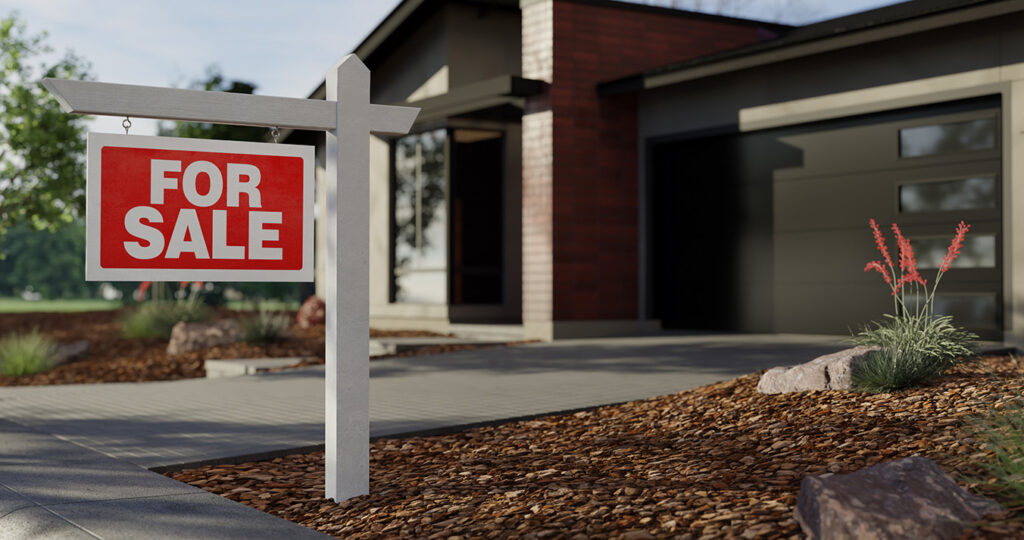
- You are preparing to sell the home
- Buyers may be concerned about the roof’s condition
A new roof can improve curb appeal, support buyer confidence, and help protect the home for years to come.
Schedule a Roof Inspection Before Small Problems Grow
Ignoring roof problems is never the solution. A small leak, missing shingle, or flashing issue can become a larger repair if water reaches the attic, decking, insulation, or interior of the home.
At The Third Estimate, we help Northeast Ohio homeowners understand whether their roof needs repair, replacement, or a closer inspection. Our team can evaluate visible damage, roof age, shingle condition, leaks, granule loss, storm damage, and structural concerns so you can make a confident decision.
If you are not sure whether your roof needs repairs or replacement, schedule a roof inspection with The Third Estimate.
Roof Repair or Replacement FAQs
How do I know if my roof needs repair or replacement?
Your roof may need repair if the damage is minor, isolated, and the rest of the roof is in good condition. Replacement may be needed if the roof is older, leaking in multiple areas, missing large sections of shingles, sagging, or showing widespread wear.
When is roof repair enough?
Roof repair may be enough for a few missing shingles, minor flashing damage, or one isolated leak. A professional inspection can confirm whether the damage is limited or part of a larger roofing problem.
When should I replace my roof instead of repairing it?
Replacement may be the better option if your roof is near the end of its lifespan, has multiple leaks, widespread shingle damage, sagging areas, structural concerns, or recurring repair needs.
How long does an asphalt shingle roof last?
Many asphalt shingle roofs last around 20 to 25 years, depending on installation quality, weather exposure, ventilation, maintenance, and material type.
Can missing shingles cause a roof leak?
Yes. Missing shingles can expose the roof to water intrusion. Even a small missing-shingle area should be repaired promptly to reduce the risk of leaks and interior damage.
Should I get a roof inspection before deciding?
Yes. A roof inspection can help determine whether the damage is isolated, widespread, storm-related, age-related, or tied to hidden issues under the roofing materials.