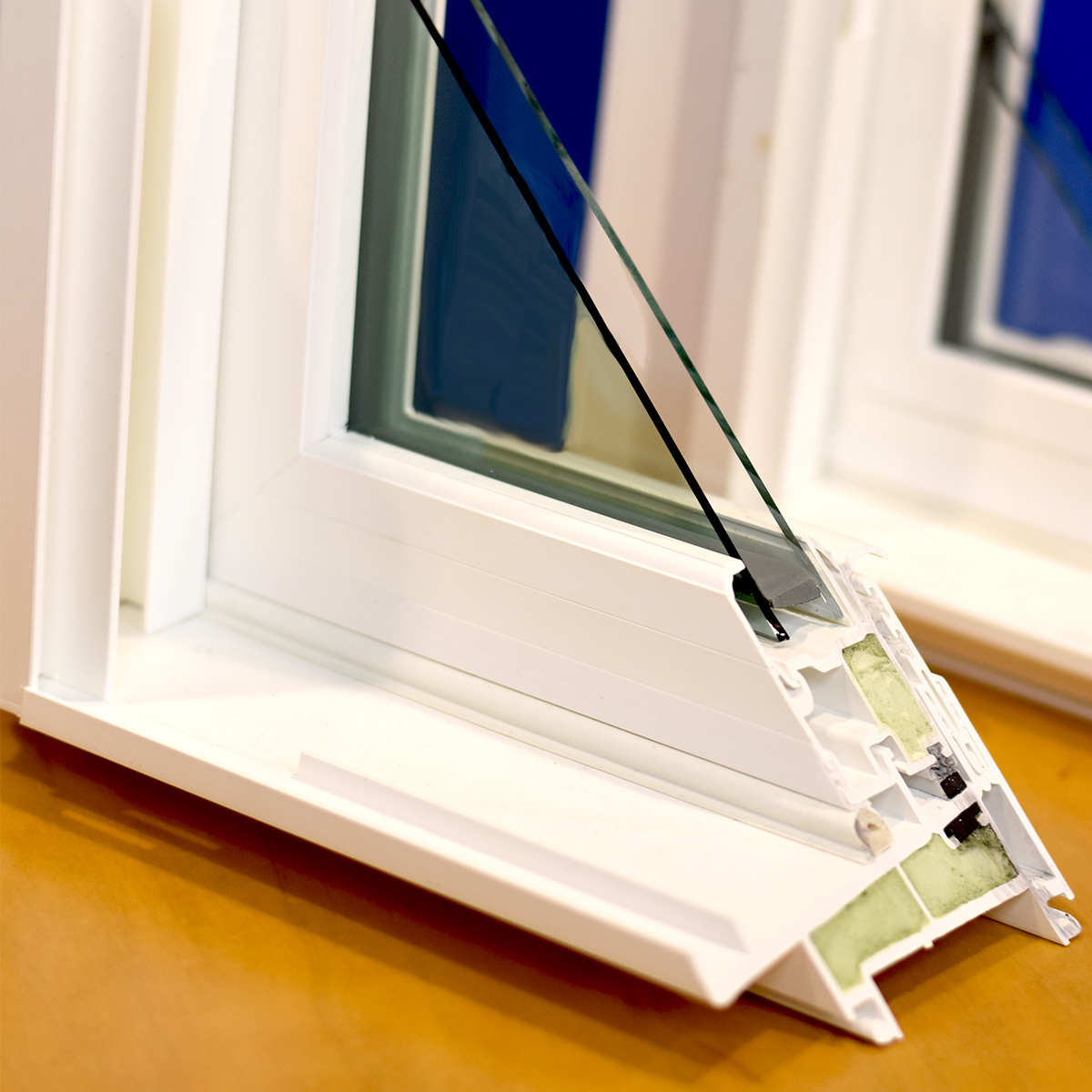
Energy-efficient windows and doors are essential for saving energy, reducing bills, and ensuring a comfortable living environment. On October 23, 2023, the ENERGY STAR® program introduced new criteria for doors and windows to ensure that they meet stringent energy efficiency standards. In this blog, we’ll break down what you need to know about these requirements and why they matter for your window upgrades.
Understanding Energy Star 7.0 Requirements for Windows and Doors
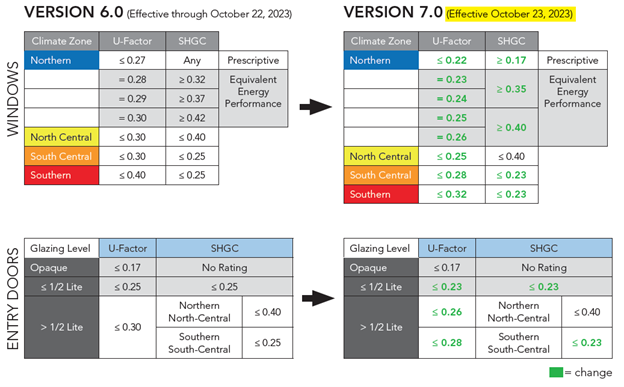
Energy Star 7.0 sets new standards for energy-efficient windows and doors based on different climate zones. Here’s a breakdown of the new requirements for each zone:
NFRC Labels & Performance Metrics] Decoding the NFRC Energy Efficiency Label
Energy Star 7.0 sets new standards for energy-efficient windows and doors based on different climate zones. Here’s a breakdown of the new requirements for each zone:
Decoding the NFRC Energy Efficiency Label
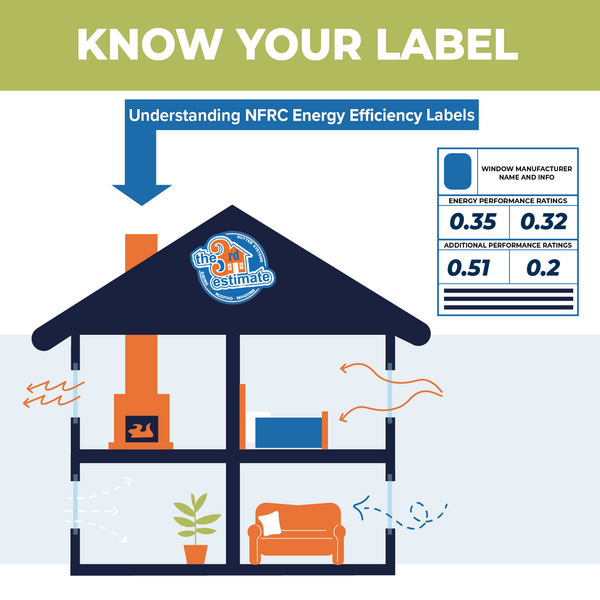
When selecting upgrades, you will see a performance label from the National Fenestration Rating Council (NFRC). Understanding these metrics ensures your selections line up with Energy Star 7.0 requirements tailored to perform optimally in your specific climate, offering better insulation and solar heat management. Look for these four key ratings:
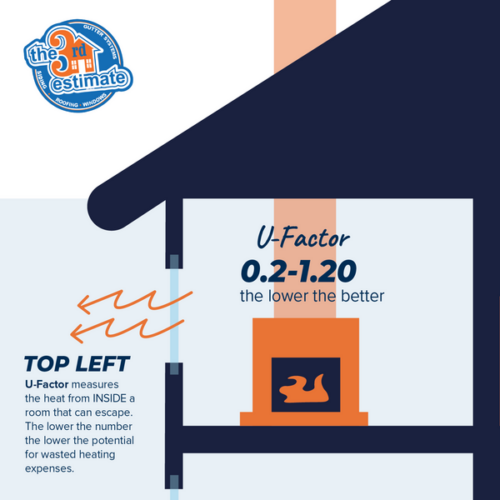
U-Factor
This measures the rate of heat transfer through a window, quantifying how effective it is at insulating and preventing heat from escaping a building. The lower the U-Factor, the better a window is at insulating.
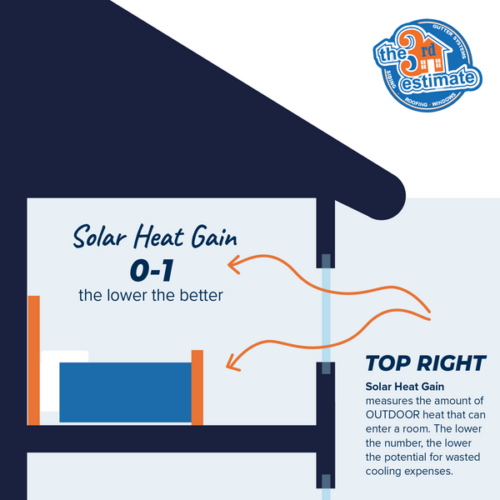
Solar Heat Gain Coefficient (SHGC)
This measures the fraction of solar radiation that enters through a window and is released as heat into the building. A high SHGC allows more solar heat energy to pass through the window.
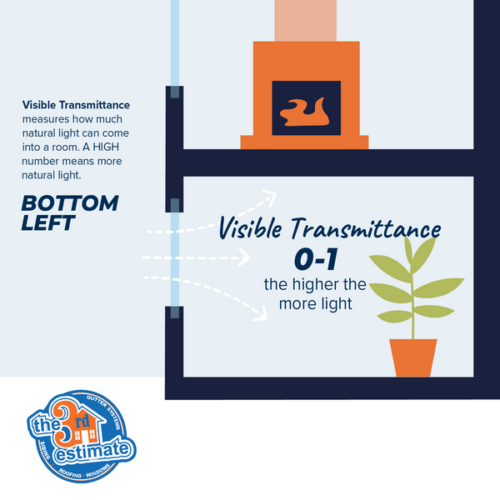
Visible Transmittance (VT)
This measures how much natural light passes through the window. A higher VT means more daylight enters your home, helping you rely less on artificial indoor lighting.
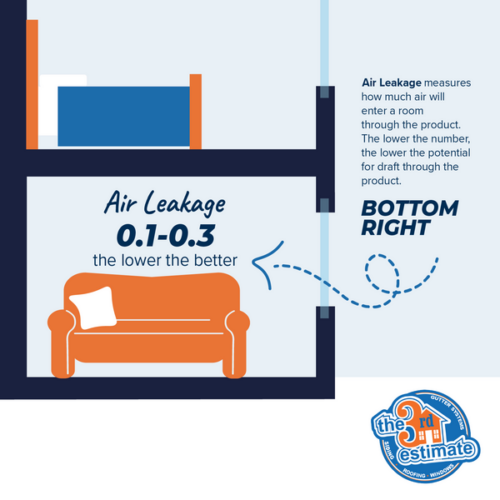
Air Leakage (AL)
This rating measures how much outside air infiltrates your home through the window assembly. Lower AL ratings mean fewer drafts and tighter seals, which are critical for maximizing your home’s thermal performance.
Why Energy Star 7.0 Matters
Choosing products that meet the stringent Energy Star 7.0 guidelines is a wise investment for several reasons:
- Enhanced Comfort: They provide better insulation and solar heat management, improving home comfort. By stopping conditioned air from escaping, your HVAC system won’t have to work double-time.
- Environmental Benefits: Reduced energy use means a smaller environmental footprint and fewer greenhouse gas emissions.
- Resale Value: Modern exterior upgrades like high-performance windows, premium local siding installation, or a professional roof replacement can significantly increase your home’s long-term resale value.
How Much Can You Actually Save?
The financial benefits of upgrading are backed by substantial evidence. According to an analysis by the U.S. Department of Energy, installing energy-efficient windows can save homeowners between 7% to 15% on annual energy bills. This amounts to approximately $71 to $501 per year in savings, depending on your geographic location and the older, inefficient window models you are replacing.
Additionally, the Energy Star program offers tax credits to incentivize these upgrades. The 25C tax credit is now extended through 2032, offering no lifetime limits and a 30% credit on product costs. The Energy-Efficient Home Improvement Credit also provides valuable incentives. Here is a breakdown of both:
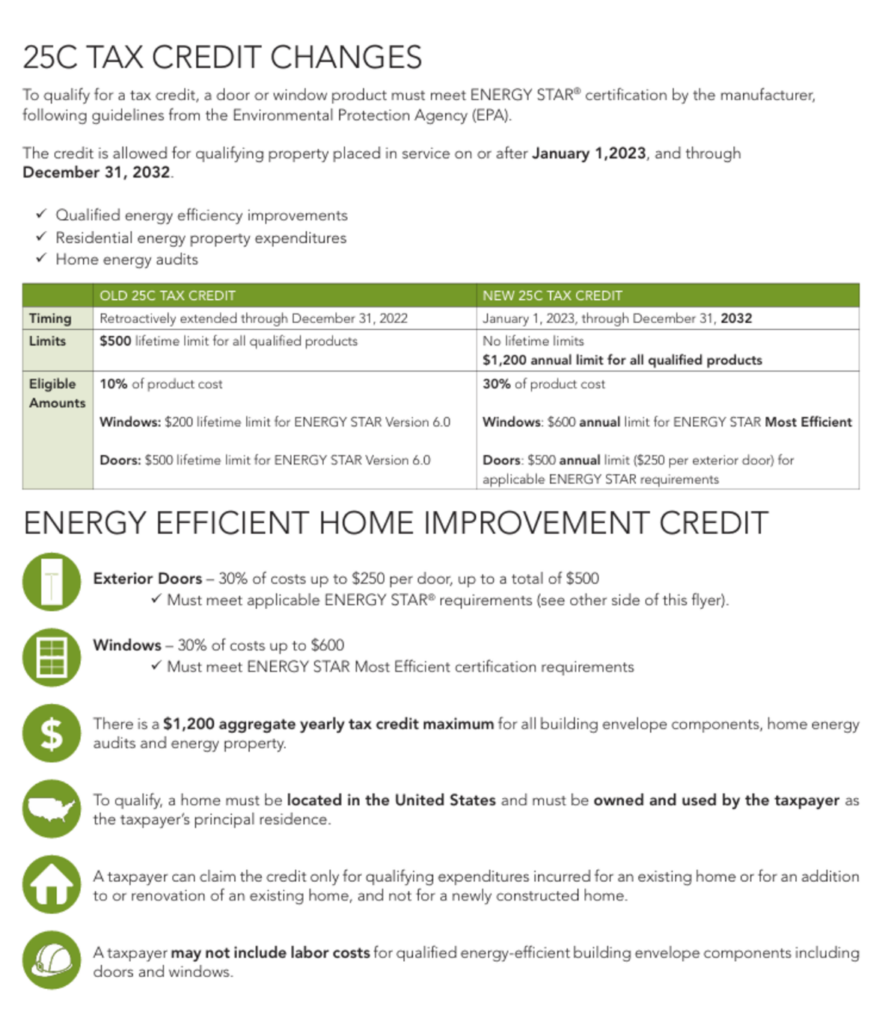
(Image: Provia)
If you want to qualify for tax credit for new windows or doors, they must adhere to the new standards set by Energy Star 7.0. For more information regarding tax credit, you can reference the IRS form here.
Where to find tax credit information/links to IRS:
- Residential Clean Energy Credit | Internal Revenue Service
- About Form 5695, Residential Energy Credits | Internal Revenue Service
Choosing the Right Window Frame Material for Maximum Efficiency
Before scheduling a vinyl replacement windows project, it is crucial to thoroughly evaluate the frame materials you choose. The frame type plays a massive role in the overall thermal performance of your home.
Why to Avoid Aluminum Frames
While aluminum frames are lightweight and durable, they possess severe drawbacks that compromise energy efficiency:
- High Heat Conductivity: Aluminum is a metal that readily conducts heat. It acts as a direct pathway for heat transfer between the interior and exterior of your home. This leads to massive heat loss during the winter and frustrating heat gain during the summer.
- Poor Insulation and Drafts: Unlike wood or vinyl, aluminum cannot effectively resist temperature transfers. This lack of insulation often leads to localized drafts, cold spots, condensation issues, and a heavy reliance on your heating and cooling systems.
To prevent energy loss from frame drafts, many homeowners also pair their window upgrades with a seamless gutter systems check or updated siding to ensure the entire perimeter of the home’s exterior shield is fully protected against the elements.
Upgrade to a Smarter, More Efficient Home
Energy Star 7.0 requirements empower homeowners to make energy-efficient choices tailored specifically to their climate zone. By selecting windows that meet these advanced criteria and avoiding high-conductivity materials like aluminum, you’ll enjoy lower utility bills, a smaller environmental footprint, and a much more comfortable living space.
Plus, with valuable federal tax credits in place through 2032, now is the perfect time to upgrade. Contact an expert roofing contractor and exterior specialist today to get a free estimate and start building a more efficient home.