When most people think about roofs, they think of shingles, gutters, or flashing. But one of the most important parts of your roof is something you barely notice: ridge vents. If you’ve ever seen a slim line running across the peak of a roof, that’s the ridge vent system quietly doing a lot of heavy lifting for your home.
What Are Ridge Vents?
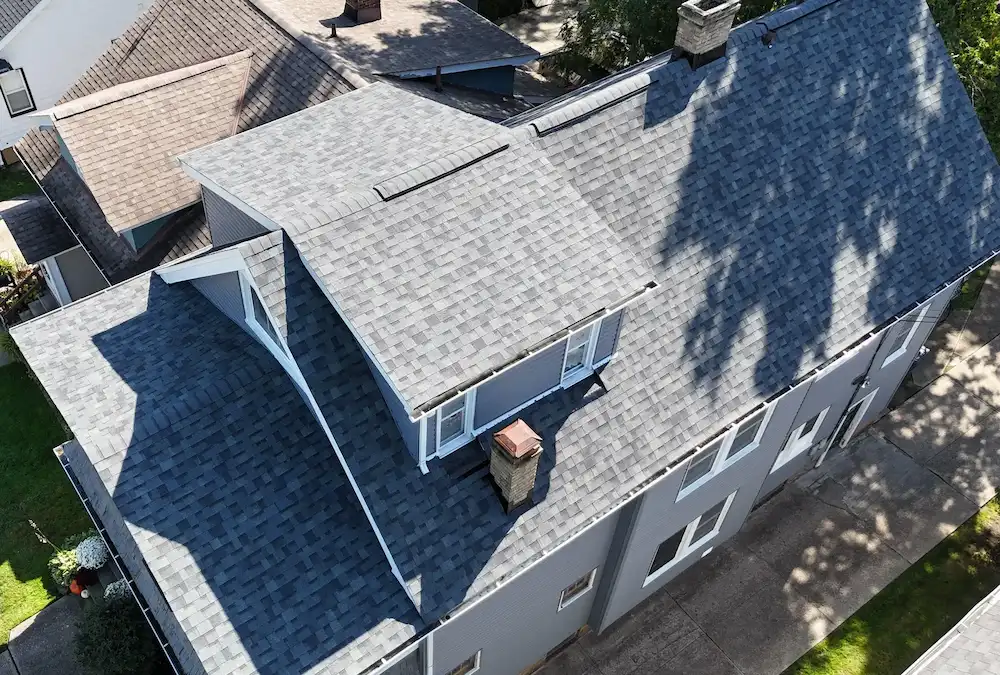
Ridge vents are long, narrow vents installed along the highest point of your roof. Their job is to release hot, humid air from your attic. Since heat naturally rises, the ridge is the most effective place for that air to escape.
In simple terms, ridge vents help your home breathe. Without proper attic ventilation, heat and moisture get trapped where you can’t see them, and that’s where problems start.
Why Attic Ventilation Matters
Good airflow in your attic protects everything from your shingles to the structure of your home. Here’s what happens when your roof ventilation isn’t doing its job:
Moisture and mold
Warm, damp air gets trapped in the attic from everyday activities like cooking, showers, and laundry. That moisture can settle on wood surfaces and insulation, creating the perfect environment for mold and mildew.
Shortened roof life
If heat stays trapped under your roof deck, shingles age faster. A poorly vented roof can look and feel old years before it should.
Higher cooling bills
A hot attic can make your whole house feel warmer, causing your AC to run more and your energy bills to rise.
Winter ice dams
In cold weather, trapped heat warms the roof deck and melts snow unevenly. That water freezes at the edges and creates ice dams, a common cause of leaks.
How a Ridge Vent System Works
Ridge vents are most effective when paired with intake vents, usually located in the soffits. Cool air enters low, warm air rises, and exits through the ridge. This steady flow creates balanced attic airflow, which keeps temperatures and humidity levels under control.
A big bonus is that ridge vents blend right into the roof. They are low-profile, maintenance-friendly, and work quietly in the background all year long.
Signs Your Home May Need Better Roof Ventilation
Homeowners often don’t realize they have ventilation issues until the signs become noticeable. Here are a few red flags:
- The upstairs feels hotter than the rest of the house
- You notice moisture, frost, or musty smells in the attic
- Shingles look worn, even though the roof isn’t that old
- Energy bills climb without a clear reason
- The home feels humid or stuffy
If any of these sound familiar, your attic airflow may not be balanced.
Should You Add a Ridge Vent?
Most modern roofing systems use ridge vents because they are one of the most effective forms of roof ridge ventilation. If you have an older home or if you are replacing your roof soon, it’s worth asking a professional whether a ridge vent system would improve your attic ventilation and protect your home long-term.
A properly vented roof lasts longer, works more efficiently, and helps keep the rest of your home comfortable, and ridge vents are a big part of making that happen.
Contact The Third Estimate today for a free consultation and see why we’re the trusted choice for homeowners across Northeast Ohio. Remember, we’re “Small Enough to Listen, Big Enough to Deliver!”
Get Your Free Quote