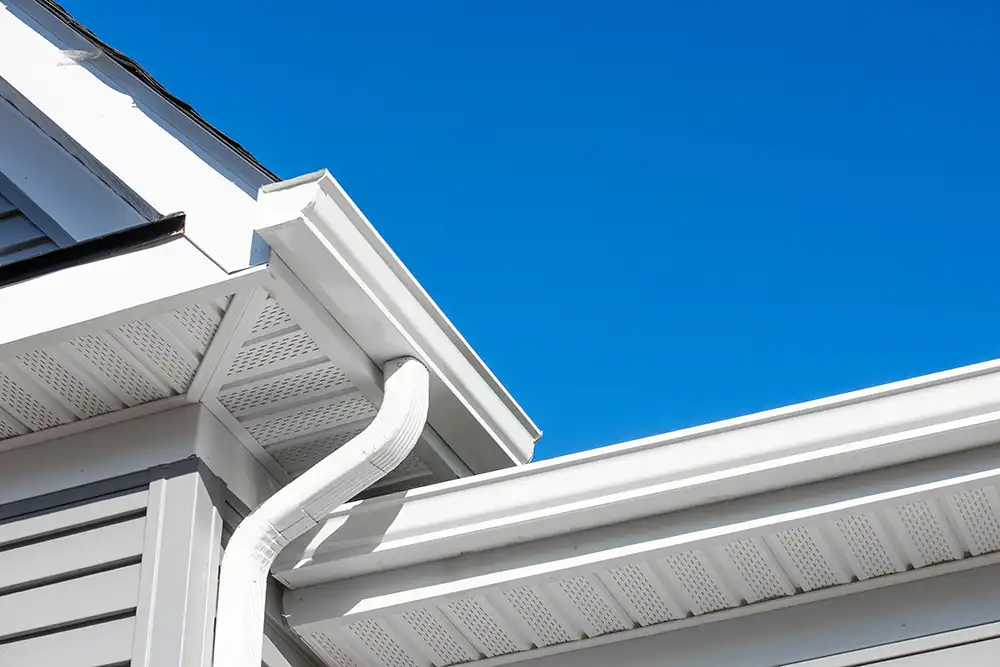
Let’s be honest—gutters aren’t something most homeowners think about until something goes wrong. They’re easy to ignore because when they’re working, you don’t even notice them. But when they’re clogged, cracked, or overflowing, that’s when the real gutter damage starts—and it’s not just a little water dripping off the side of your roof.
What Happens When Your Gutters Stop Working?
Gutters are easy to ignore when they are doing their job. But when they become clogged, cracked, sagging, or overflowing, water can quickly start moving where it should not.
A damaged or clogged gutter system can affect your:
- Foundation
- Basement
- Roofline
- Fascia boards
- Siding
- Landscaping
- Driveway
- Interior walls and ceilings
One of the most common gutter problems homeowners face is clogging, but leaks, sagging sections, poor slope, downspout issues, corrosion, and ice buildup can also keep your gutters from working properly. Leaves, twigs, dirt, roof debris, and even small animals can block the gutter system. When water can no longer flow through the gutters and downspouts, it may spill over the sides, back up near the roof, or collect around the home.
For Northeast Ohio homeowners, clogged gutters can become even more serious during heavy rain, fall leaf buildup, snowmelt, and freeze-thaw cycles. The longer the problem goes unchecked, the more likely it is to lead to expensive exterior or interior damage.
The Most common Gutter Problem: Clogged Gutters
The most common gutter problem is clogging. Clogged gutters happen when debris builds up inside the gutter system and blocks water from draining properly.
Common causes of clogged gutters include:
- Leaves
- Twigs
- Dirt
- Roof grit
- Small branches
- Seed pods
- Animal nests
- Debris from nearby trees
- Ice or frozen buildup in winter
When gutters are blocked, they can no longer direct water away from your home. Instead, water may overflow, pool near the foundation, back up under shingles, or run down the siding.
Clogged gutters are often the starting point for many of the gutter damage problems below.
Other Gutter Problems That Can Lead to Home Damage
Clogged gutters are common, but they are not the only gutter issue that can put your home at risk. Leaks, sagging sections, poor slope, downspout problems, corrosion, and ice buildup can also prevent your gutter system from moving water away from your home properly.
Watch for these common gutter problems before they turn into larger repairs.
Leaky Gutters
Gutters can develop leaks from age, storm damage, loose seams, cracks, corrosion, or poor installation. Even a small leak can become a problem if water repeatedly drips near your siding, roofline, landscaping, or foundation.
Signs of leaky gutters include:
- Dripping from seams or corners
- Water marks on siding
- Damp areas below the gutter
- Rust or corrosion near joints
- Water collecting where it should not
- Small cracks, gaps, or holes
- Peeling paint near the gutter line
- Mold or mildew on nearby exterior surfaces
Small leaks may be sealed, but repeated leaks or damaged gutter sections may need professional repair or replacement.
Sagging Gutters
Sagging gutters often mean the system is carrying too much weight or the fasteners are no longer holding properly. This can happen when gutters are full of leaves, debris, standing water, or ice.
Sagging gutters can lead to:
- Poor water flow
- Overflow during rain
- Gutters pulling away from the roofline
- Fascia damage
- Water spilling onto siding or landscaping
- Sections of the gutter system collapsing
If your gutters continue to sag after cleaning, or if they are separating from the fascia boards, they may need new hangers, better support, or replacement.
Improper Gutter Slope
Gutters need the right slope, or pitch, to move water toward the downspouts. If the angle is wrong, water can sit inside the gutter instead of draining away.
Poor gutter slope can cause:
- Standing water
- Clogs
- Overflow
- Rust or corrosion
- Ice buildup in winter
- Gutters pulling away from the home
If water sits in your gutters after a storm, a professional can check whether the system is pitched correctly.
Downspout Problems
Downspouts move water away from your foundation. If they are clogged, disconnected, too short, or draining too close to the house, water can collect near the base of your home.
Downspout issues can contribute to:
- Foundation cracks
- Basement moisture
- Soil erosion
- Water pooling near the home
- Damage to walkways or driveways
- Landscape erosion
Downspouts should direct water several feet away from the foundation. Extensions or splash blocks can help move water farther from the home.
Gutter Corrosion
Older or poorly maintained gutters can develop rust and corrosion over time. Corrosion weakens the gutter system and can lead to leaks, holes, staining, or sections breaking down.
Signs of gutter corrosion include:
- Rust spots
- Orange or brown staining
- Small holes
- Flaking metal
- Weak or brittle sections
- Leaks near worn areas
If corrosion is widespread, replacing the affected sections or upgrading the gutter system may be a better long-term solution than repeated repairs.
Exterior Warning Signs Around Your Gutters
Sometimes the signs of failing gutters show up on the surfaces around them. If water is not moving through the gutter system correctly, it may run down the home, soak into exterior materials, or collect near the roofline.
Watch for exterior warning signs like:
- Peeling paint near the gutters
- Rust stains on the exterior
- Mold or mildew near the gutter line
- Gutters separating at the seams
- Gutters pulling away from fascia boards
- Rotting fascia or soffits
- Soft or damaged trim near the roofline
- Water stains below gutter sections
These signs may mean water is escaping from the gutter system instead of draining through the downspouts. If the damage is isolated, a repair may be enough. If the gutters are separating, leaking in multiple areas, or causing damage to fascia and soffits, replacement may be the better long-term solution.
Ice Dams and Winter Gutter Problems
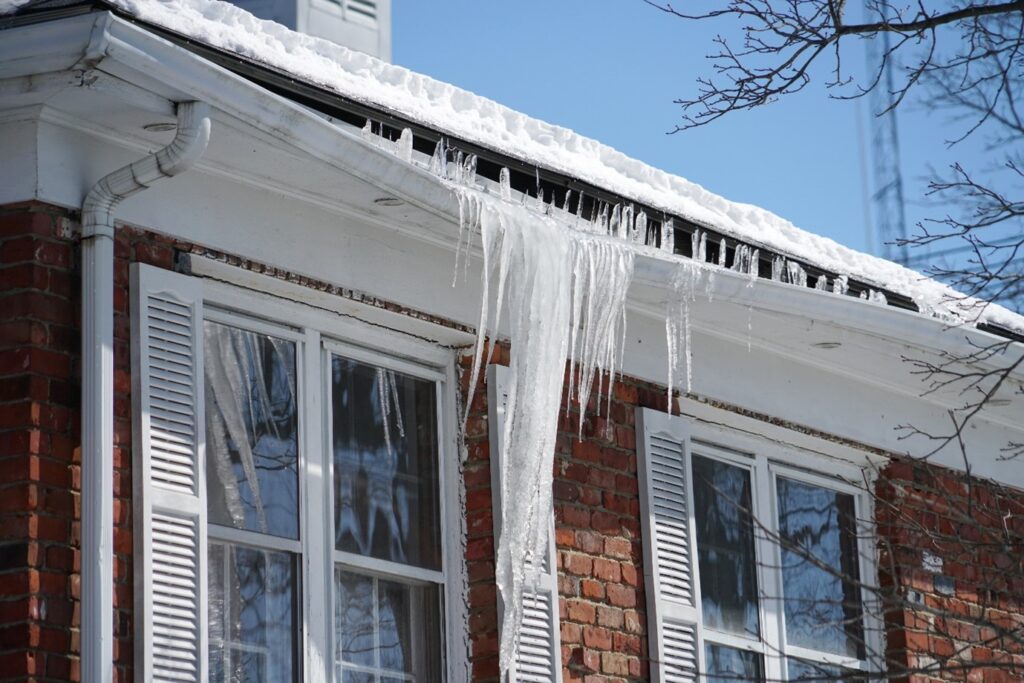
In Northeast Ohio, winter weather can make gutter issues worse. When snow melts and refreezes near the roofline or inside clogged gutters, ice can block drainage and add weight to the gutter system.
Ice-related gutter problems can contribute to:
- Gutters sagging or pulling away
- Water backing up near the roof edge
- Roof leaks
- Wood rot
- Mold or mildew
- Damaged fascia
- Broken gutter sections
Cleaning gutters before winter, checking downspouts, and making sure water can drain properly can help reduce winter gutter problems.
What Can Happen When Gutters are Clogged or Damaged?
When gutters are clogged or damaged, the problem is not limited to the gutter itself. Poor drainage can affect your foundation, roof, siding, landscaping, driveway, and even the inside of your home.
Here are some of the most common problems caused by gutter damage.
Your Foundation Takes a Hit
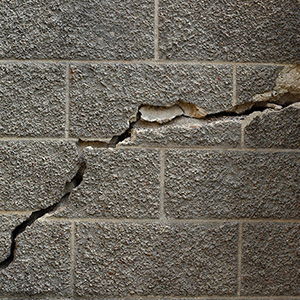
Your gutters are designed to move water away from your home. When they are clogged with debris, water can spill over the sides and collect near the foundation.
Over time, this can contribute to:
–Soil erosion around the home
–Foundation cracks
–Basement moisture
–Water intrusion
–Structural concerns
–Costly repairs
A small gutter clog can become a much larger problem if water repeatedly pools near the base of your home.
Wood Rot Creeps In
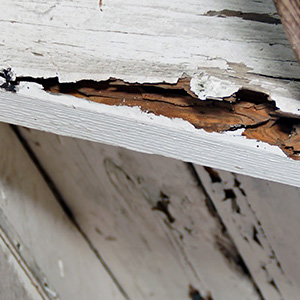
Clogged or overflowing gutters can also send water down the sides of the home. If that water repeatedly soaks wood fascia boards, trim, or siding, it can lead to rot and deterioration.
Wood rot can affect:
–Fascia boards
–Soffits
–Wood siding
–Exterior trim
–Window or door frames
–Areas near the roofline
Rotting wood is more than a cosmetic problem. It can weaken exterior materials and create conditions that attract pests like termites and ants. If fascia boards or soffits are showing repeated signs of rot, peeling paint, or water damage near the gutters, the gutter system may no longer be directing water away from the home properly.
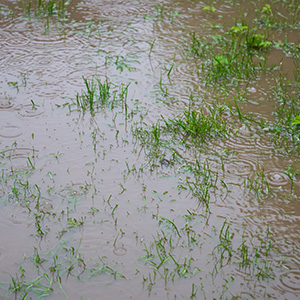
Your Landscaping Gets Washed Away
Overflowing gutters can dump large amounts of water directly onto your landscaping. During a heavy storm, that water can wash away soil, mulch, grass, and flower beds.
Gutter overflow can cause:
–Soil erosion
–Washed-out mulch
–Damaged flower beds
–Waterlogged plants
–Standing water
–Mosquito breeding areas
–Uneven or soggy areas around the home
A properly draining gutter system helps move water away from landscaping and protects the time and money you have invested in your yard.
Driveway Damage Starts Small… Until It’s Not
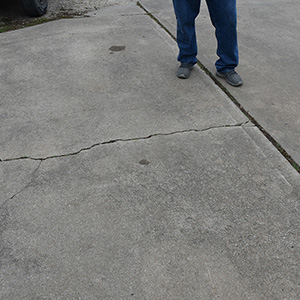
Your driveway can also be affected by poor gutter drainage. When water spills over clogged gutters or drains too close to paved surfaces, it can collect along the edges of the driveway or seep into small cracks.
In Northeast Ohio, this can become a bigger problem when temperatures drop. Water inside small cracks can freeze, expand, and make the cracks larger.
Over time, poor drainage can contribute to:
–Cracks
–Uneven surfaces
–Sinking spots
–Widening gaps
–Freeze-thaw damage
–Costly driveway repairs
This is another reason downspout placement and proper water flow matter.
Water Will Find a Way Inside Your Home
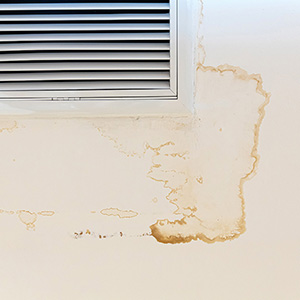
Gutter damage does not always stay outside. When water overflows or backs up near the roofline, it can sometimes move under shingles, into the attic, or behind exterior materials.
Signs of water intrusion may include:
–Water stains on ceilings
–Damp walls
–Peeling paint
–Warped wallpaper
–Musty smells
–Attic moisture
–Hidden mold growth
By the time these signs appear, the water may have already caused damage inside the home.
Mold and Mildew Can Grow in Walls and Ceilings
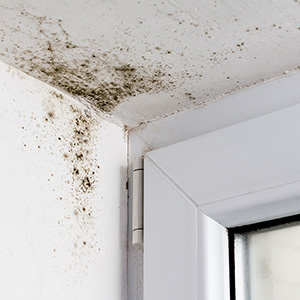
When water gets into areas where it does not belong, it can create damp conditions where mold and mildew may grow. Overflowing gutters, roofline leaks, and moisture behind exterior materials can all contribute to this problem.
Mold and mildew issues may show up as:
–Musty odors
–Discoloration on walls or ceilings
–Damp drywall
–Hidden moisture
–Poor indoor air quality concerns
–More complicated repair needs
Mold removal can be expensive and should be handled carefully, especially if the problem has spread behind walls or into ceilings.
How to Prevent Gutter Damage Before It Starts
The best way to reduce gutter damage is to prevent clogs, overflow, and poor drainage before they cause larger problems.
Use these steps to keep your gutter system working properly.
Clean Your Gutters Regularly
Clean your gutters at least twice a year, usually in spring and fall. If your home has heavy tree coverage or experiences frequent storms, you may need to clean them more often.
Regular cleaning helps remove:
- Leaves
- Twigs
- Roof grit
- Dirt
- Animal nests
- Other debris that can block water flow
Cleaning gutters before winter is especially important because trapped debris can hold moisture, freeze, and contribute to ice buildup.
Install Gutter Guards to Reduce Debris
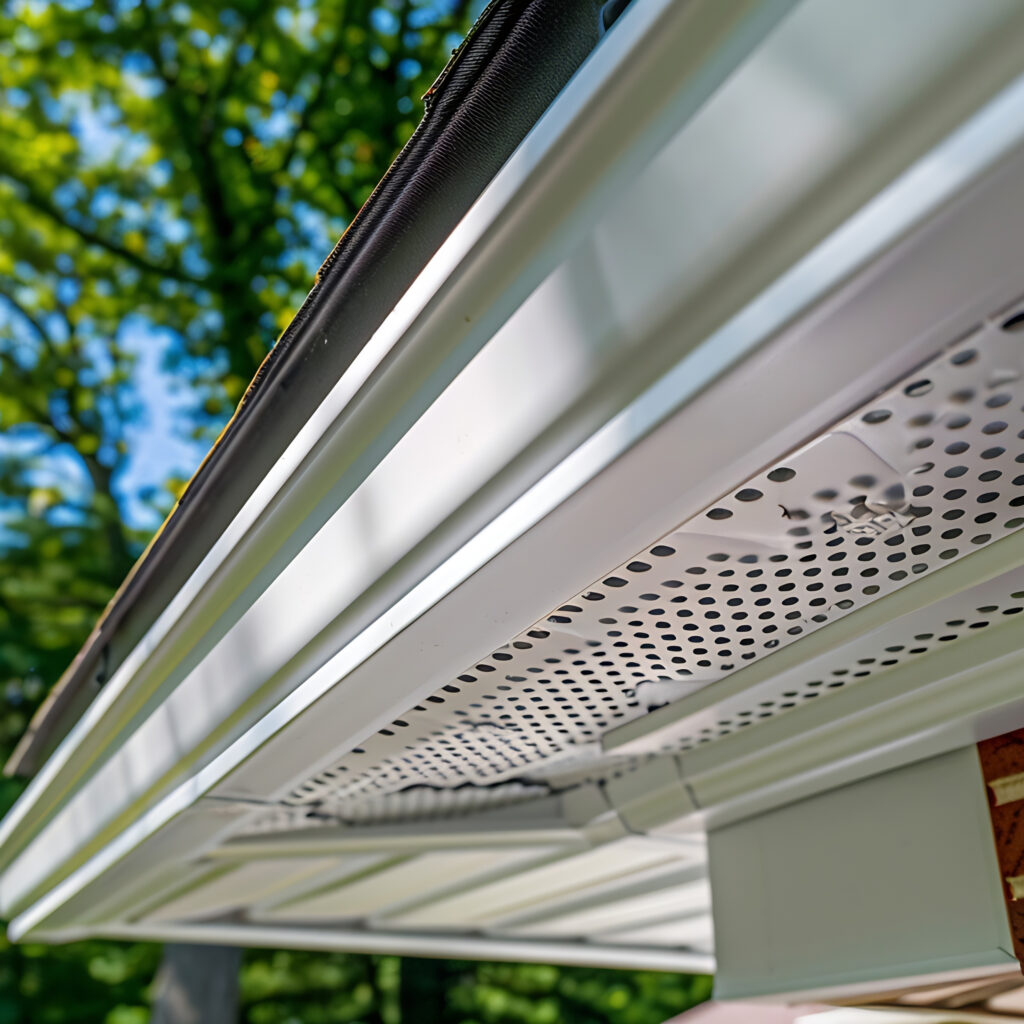
Gutter guards can help block leaves, twigs, and larger debris from entering the gutter system while still allowing water to flow through.
Gutter guards may help:
- Reduce cleaning frequency
- Lower the risk of clogs
- Keep water moving through the system
- Reduce overflow during rain
- Limit debris buildup before winter
Gutter guards do not eliminate all maintenance, but they can make gutter care easier for homes with trees or frequent debris.
Inspect Gutters After Heavy Storms
After heavy rain, high winds, or storms, take a few minutes to visually inspect your gutters from the ground.
Look for:
- Sagging sections
- Rust or corrosion
- Gutters pulling away from the roofline
- Water spilling over the sides
- Visible clogs
- Loose downspouts
- Water pooling near the foundation
- Signs of water damage on siding or fascia
- Leaks at seams, corners or joints
If you notice these issues, schedule a gutter inspection before the problem gets worse.
Make Sure Gutters Have the Right Slope
Gutters need to be installed at the correct angle so water flows toward the downspouts. If the slope is wrong, water can sit in the gutters instead of draining away.
Poor gutter slope can lead to:
- Standing water
- Clogs
- Overflow
- Sagging
- Rust or corrosion
- Ice buildup in winter
A professional gutter inspection can determine whether your gutters are pitched correctly and draining as they should.
Check Downspouts and Drainage
Even clean gutters will not protect your home if the downspouts are blocked or draining too close to the foundation.
Check that:
- Downspouts are clear
- Water exits freely
- Extensions or splash blocks are in place
- Water drains several feet away from the foundation
- Downspouts do not empty onto walkways or driveway cracks
- Water is not pooling around the home
Good downspout placement helps protect your foundation, basement, landscaping, and driveway.
Schedule Professional Gutter Maintenance When Needed
Some gutter issues are hard to see from the ground. A professional can inspect the full system, remove debris safely, and identify problems before they become expensive repairs.
Professional gutter maintenance can help identify:
- Hidden clogs
- Loose hangers
- Poor slope
- Damaged seams
- Rust or corrosion
- Fascia damage
- Downspout problems
- Sections that may need repair or replacement
When New Gutters May Be the Better Solution
Sometimes cleaning, sealing, or adjusting your gutters is enough. But if the same problems keep coming back, your gutter system may no longer be protecting your home the way it should.
New gutters may be worth considering if you notice:
- Water spilling over the edges during rainfall
- Sagging or detached gutter sections
- Gutters pulling away from the roofline
- Visible rust, cracks, or holes
- Leaks near seams, corners, or downspouts
- Excessive debris buildup that keeps returning
- Water pooling near the foundation
- Downspouts that do not drain properly
- Gutter damage after storms
- Ice buildup during Northeast Ohio winters
Older gutters can struggle during fall when leaves, twigs, and debris collect quickly. Once gutters begin to sag, leak, separate from the home, or overflow during storms, replacement may be a better long-term solution than repeated repairs.
New gutters can help protect your:
- Roofline
- Fascia boards
- Siding
- Foundation
- Basement
- Landscaping
- Driveway
Pairing new gutters with gutter guards can also help reduce seasonal maintenance by limiting the amount of leaves and debris that enter the system. Gutter guards do not eliminate all maintenance, but they can make it easier to keep water moving away from your home.
Modern gutter systems can also improve curb appeal. New gutters are available in different colors and styles, allowing homeowners to choose an option that better complements the home’s exterior while improving drainage and protection.
Protect Your Home — Start with Your Gutters
Gutter problems may start small, but they can quickly affect your foundation, roofline, siding, landscaping, driveway, basement, and interior walls.
If your gutters are clogged, leaking, sagging, overflowing, or pulling away from the home, do not wait for water damage to spread.
At The Third Estimate, we help Northeast Ohio homeowners evaluate gutter problems and choose the right solution. That may include gutter cleaning, gutter guards, gutter repair, gutter replacement, or a full gutter system designed to move water away from your home properly. If your current gutters are old, sagging, leaking, overflowing, or no longer keeping up with seasonal debris, new gutters may be the better long-term fix.
Schedule a gutter estimate with The Third Estimate to protect your home before small gutter problems turn into larger repairs.
Gutter Damage FAQs
What is the most common gutter problem?
The most common gutter problem is clogging. Leaves, twigs, dirt, roof debris, and other materials can build up inside the gutter system and stop water from draining properly.
Why are clogged gutters bad for my home?
Clogged gutters can cause water to overflow, pool near the foundation, back up near the roofline, run down siding, damage landscaping, and contribute to moisture problems inside the home.
How do I know if my gutters are damaged?
Common signs of gutter damage include overflowing water, sagging sections, rust, leaks, loose downspouts, water pooling near the foundation, stains on siding, peeling paint near the gutter line, mold or mildew on nearby exterior surfaces, rotting fascia or soffits, or gutters pulling away from the roofline.
Can clogged gutters cause roof damage?
Yes. When gutters are clogged, water can back up near the roof edge. Over time, this may contribute to shingle damage, leaks, rot, fascia damage, or moisture problems near the roofline.
Can clogged gutters damage my foundation?
Yes. If water spills over clogged gutters and collects near the foundation, it can contribute to soil erosion, cracks, basement moisture, and other foundation-related problems.
How often should I clean my gutters?
Most homes should have gutters cleaned at least twice a year, typically in spring and fall. Homes with heavy tree coverage or frequent storms may need more frequent cleaning.
Do gutter guards prevent all gutter problems?
No. Gutter guards can reduce debris and cleaning frequency, but they do not eliminate all maintenance. Gutters should still be inspected periodically to make sure water is flowing correctly.
What are the biggest gutter concerns homeowners should watch for?
The biggest gutter concerns include clogs, leaks, sagging gutters, poor slope, downspout problems, corrosion, and ice buildup. These issues can prevent water from draining properly and may lead to damage around the foundation, roofline, siding, landscaping, or basement.
When should I replace my gutters instead of repairing them?
You may need gutter replacement if your gutters are sagging, pulling away from the home, leaking repeatedly, rusting, cracking, overflowing during rain, or failing to move water away from the foundation. If the same gutter problems keep coming back after cleaning or repair, new gutters may be a better long-term solution.
What are signs that my gutters need to be replaced?
Signs your gutters may need to be replaced include repeated leaks, visible cracks or holes, sagging sections, rust or corrosion, gutters separating from the fascia, water pooling near the foundation, peeling paint, mold near the gutter line, or fascia and soffit damage. If the same problems keep coming back after cleaning or repair, replacement may be a better long-term solution.
Contact The Third Estimate today for a free consultation and see why we’re the trusted choice for homeowners across Northeast Ohio. Remember, we’re “Small Enough to Listen, Big Enough to Deliver!”
Get Your Free Quote